



Baamonde-Sobrado
The Northern Way
Stage: Baamonde-Sobrado
We should be prepared for an especially long stage, of 40 km. This stage takes us past fortresses, such as the powerful San Paio de Narla, and through small authentic villages, culminating in the spectacular Sobrado dos Monxes Monastery.
In addition to the route described below, you can also take a shorter (by 8 km) complementary route from Baamonde northwards, which will take you in a straight line to Sobrado. Later, in Boimil, it converges with the first route for a short time then separates from it again, without going through Arzúa. The route goes through Santiso and, in the vicinity of the Santiago airport, converges with the French Way.
Baamonde- Digañe
The route leaves Baamonde continuing on the Santo Alberte Chapel, where a very popular pilgrimage celebration is held every May. San Breixo and Santa Locaia de Parga are the final locations in the municipality of Guitiriz. We then continue on to Digañe.
Baamonde - Digañe

Digañe- Miraz
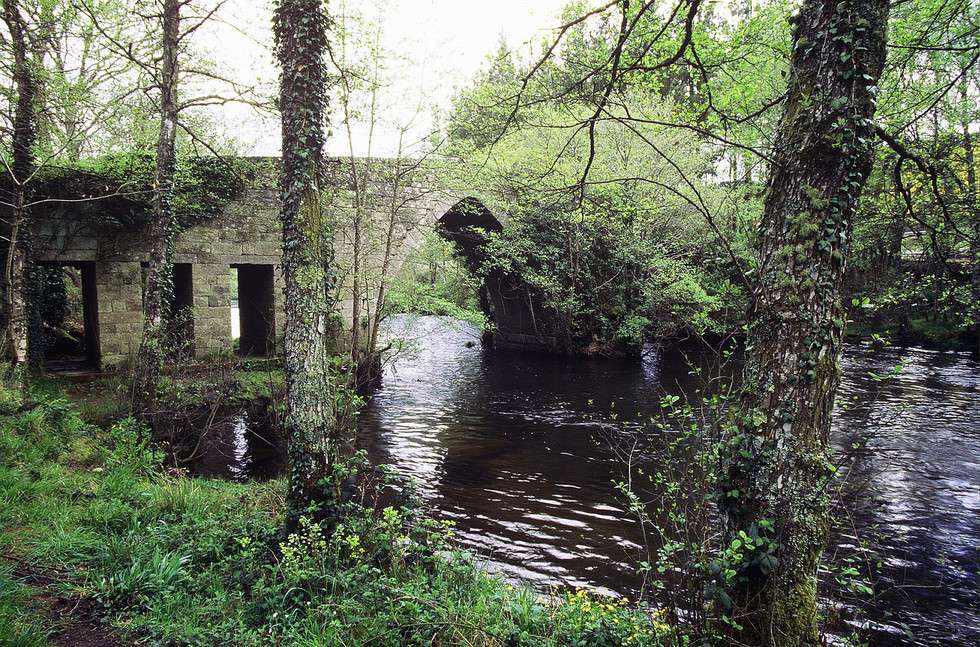
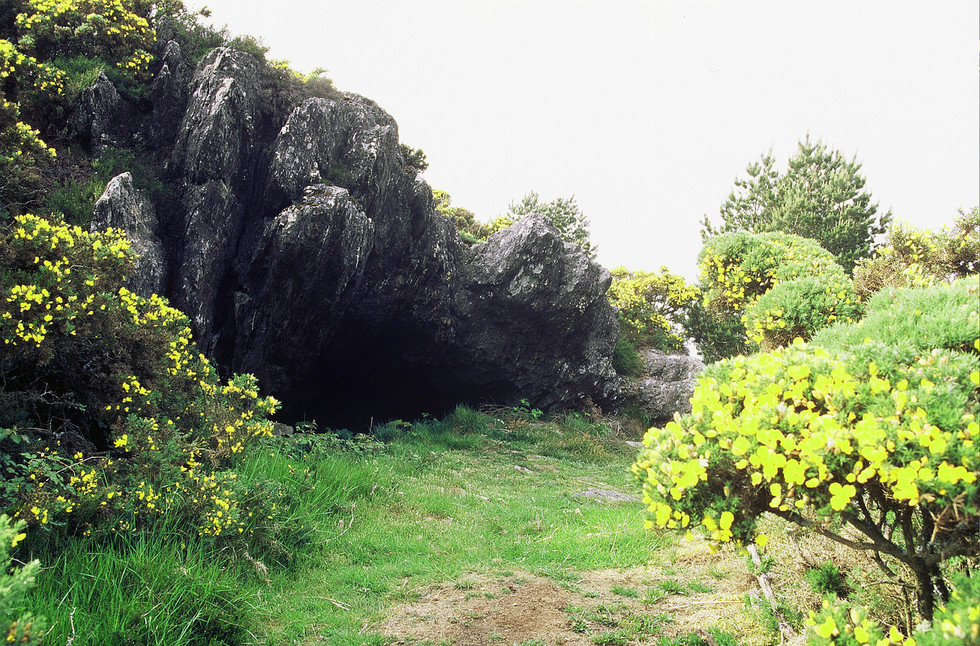
The route leads to San Paio de Seixón, in the municipality of Friol (still in the province of Lugo), followed by Ponte Leixosa and Santiago de Miraz. Taking a slight detour from the trail, but still within the same parish, we come to the powerful fortress of San Paio de Narla, which now houses the ethnographic section of the Lugo Provincial Museum.
Digañe - Miraz
Miraz- A Roxica
In Miraz, pilgrims can visit Santiago Church. The route continues through A Braña, Portolamas, A Devesa and As Fontes, in San Mamede de Nodar. The next village is A Roxica.
Miraz - A Roxica
A Roxica- O Marco das Pías
The trail leads through a number of small villages: Mantelle, A Cabana, Ledro, A Travesa de Ledro and Pedramaior. In O Marco das Pías, we leave the province of Lugo and enter A Coruña.
A Roxica - O Marco das Pias

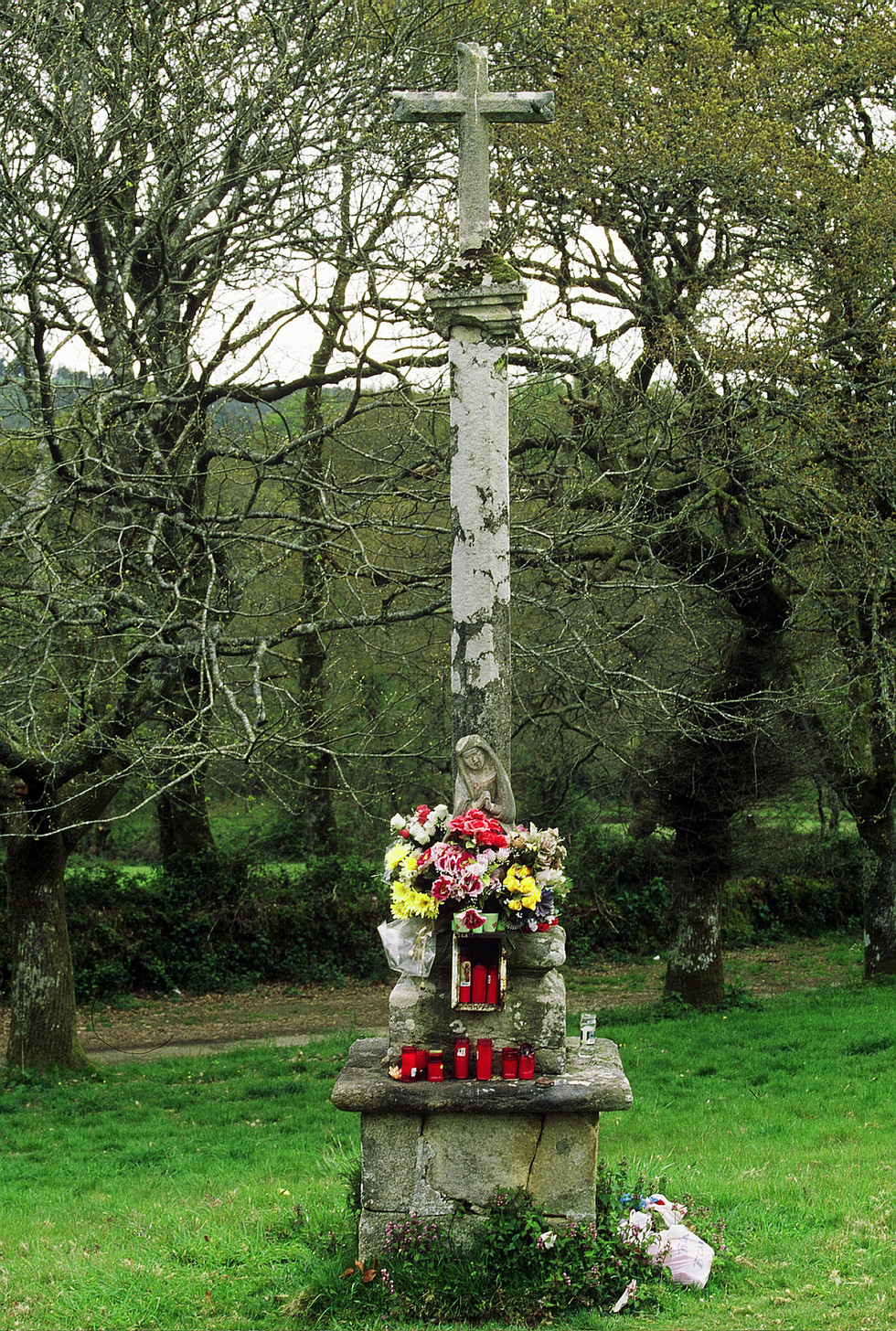
O Marco das Pías- Guitizá
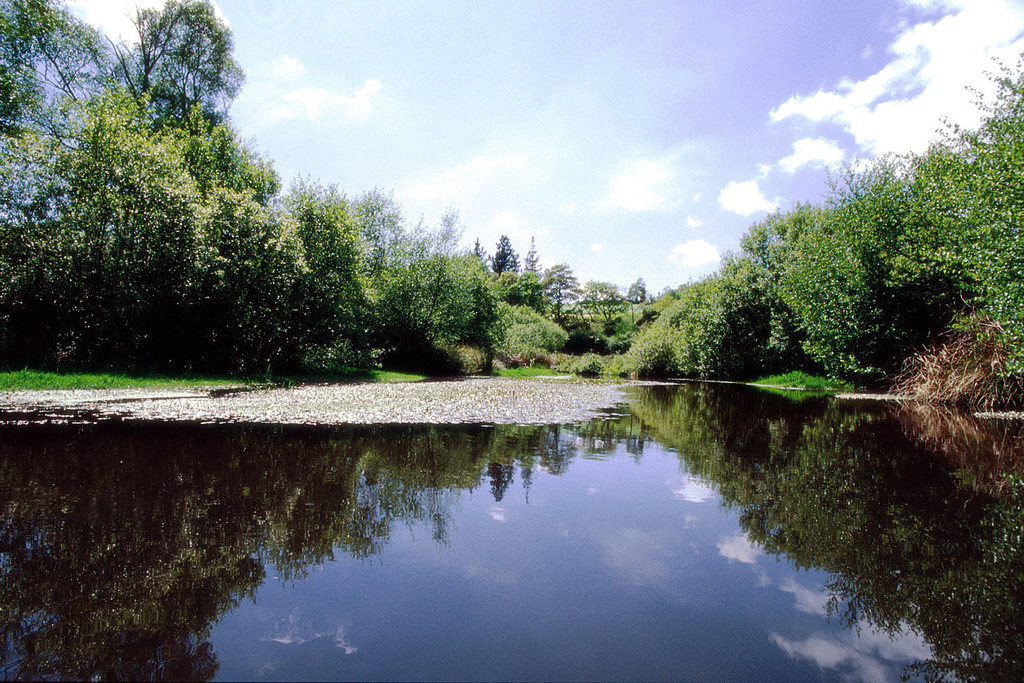
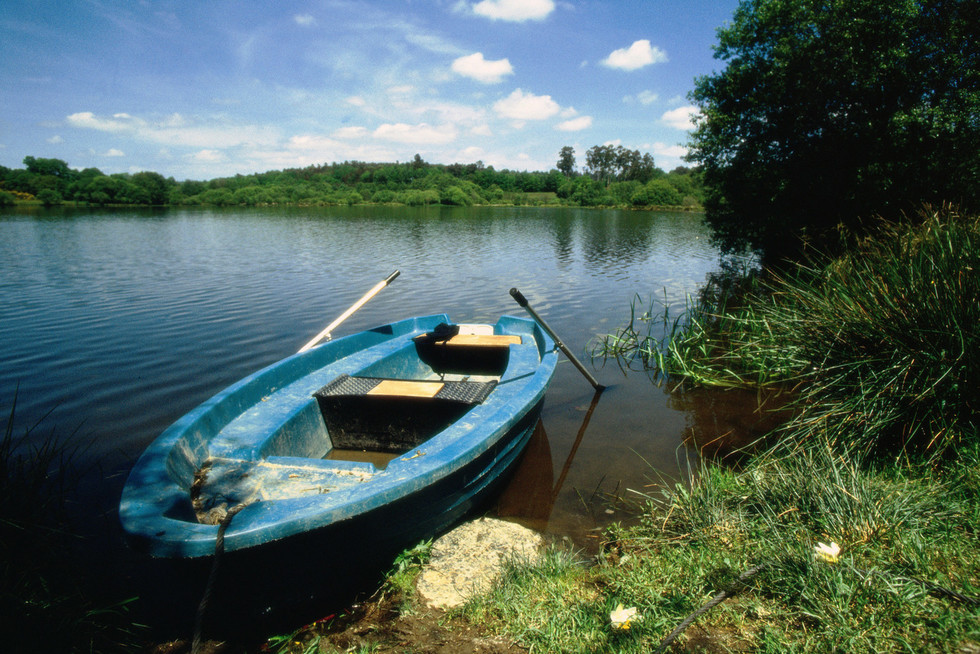
The municipality of Friol gives way to Sobrado at O Marco das Pías. The route passes through Vilariño, O Mesón, A Esgueva, Muradelo, Nogueira and finally reaches Guitizá, the location of Sobrado Lake (man-made).
O Marco das Pías - Guitiza
Guitizá- Sobrado dos Monxes
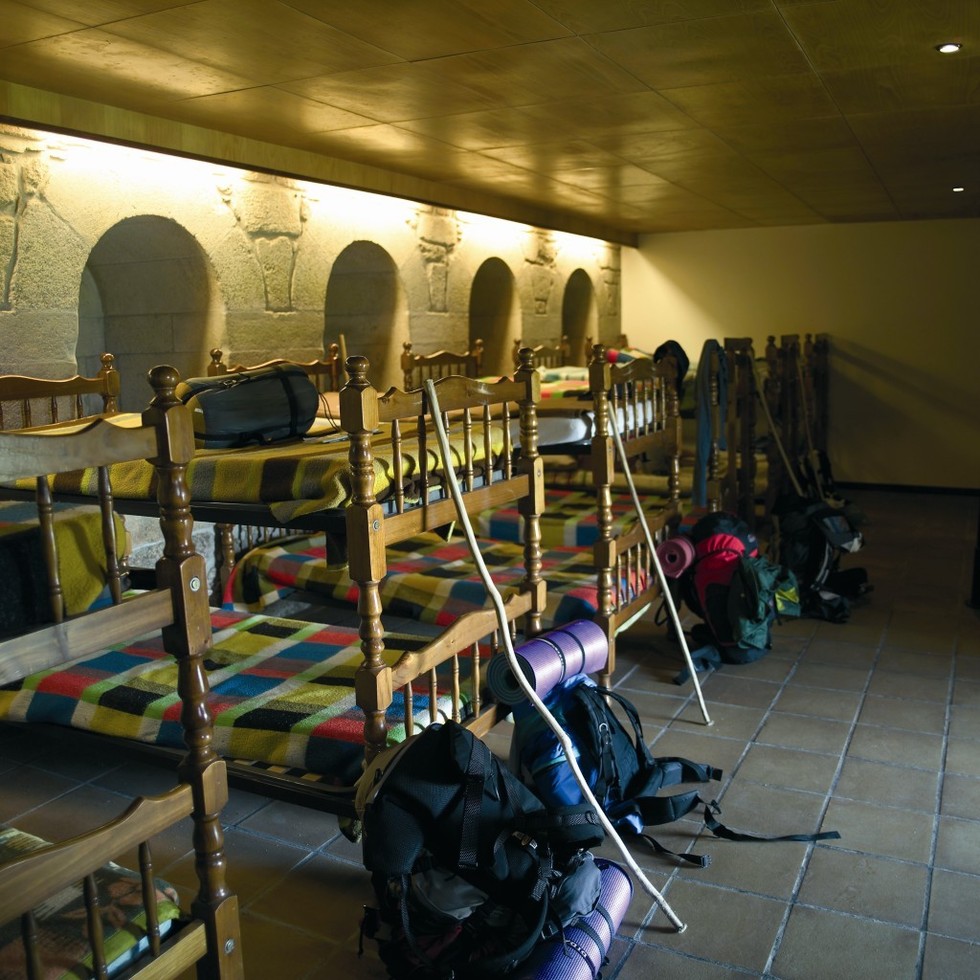
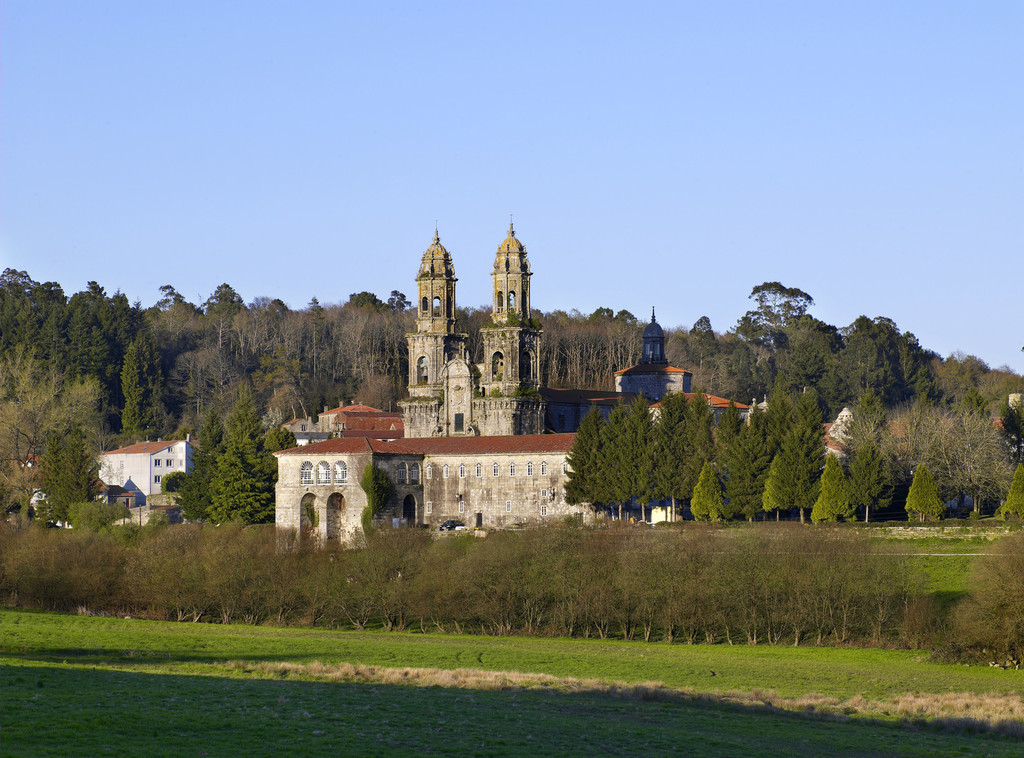
From this point, we soon come to the Cistercian Monastery of Santa María de Sobrado, in Sobrado dos Monxes. This spectacular monument features both Renaissance and baroque elements, with medieval remnants such as the kitchen, chapter house and San Xoán Chapel. Founded in 952 as a dual or mixed monastery, housing both men and women, it was one of the main centres of power in Galicia.
At the height of the medieval pilgrimages, in the mid-12th century, the monastery became part of the Cistercian Order, which provides medical care. It was the first in Spain to join this order. It still does a great many religious and social works today, with a special focus on pilgrims.