Training in advance and personalized planning are essential to your preparation. While on the road, always warm up and stretch to avoid injury.
If you decide to do the route on foot, you should do 23–30 km training walks. Your shoes should provide proper ankle support and your backpack should fit the shape of your back. The knees, tendons and feet are our weak points.
Take care of your feet: apply foot cream, wear seamless cotton socks and footwear that has been broken in. Your backpack should be light. Carry a small first-aid kit. Avoid large meals and take short, regular breaks.
Breaks help to clear your head and allow you to relax. If you exhaust yourself, recovering will take longer and be more difficult.
Training must begin some months before beginning the pilgrimage, for example by taking walks with a gradual increase in time and difficulty.
Previous, daily training by taking walks which become progressively longer must be accompanied by stretching and warm-up exercises and these must be carried out constantly.
Adequate planning for travelling the Way on a mountain bike may involve about 60 or 100 km per stage.
When choosing footwear, this must have a hard sole and must not have a heel which is too soft as this could lead to injuries.
The stops made in order to appreciate the countryside, monumental or cultural environment, etc. help to clear our minds and facilitate relaxation.
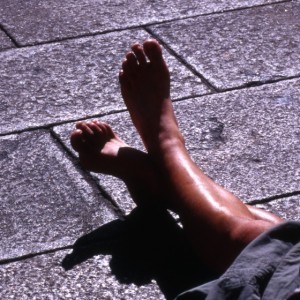
The pilgrim on foot must pay special attention to and care for his feet
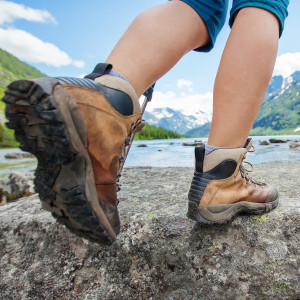
Footwear must be comfortable and adapted to our feet, that is to say, broken in
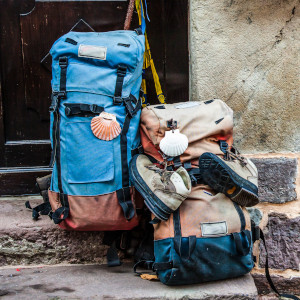
The backpack must be comfortable, easily adaptable and light
This portal uses essential first-party cookies for its proper functioning, as well as third-party cookies for analytical purposes. You can find more information in the cookie policy
Cookie configuration
You can use these buttons to customise the services you wish to use on this portal.