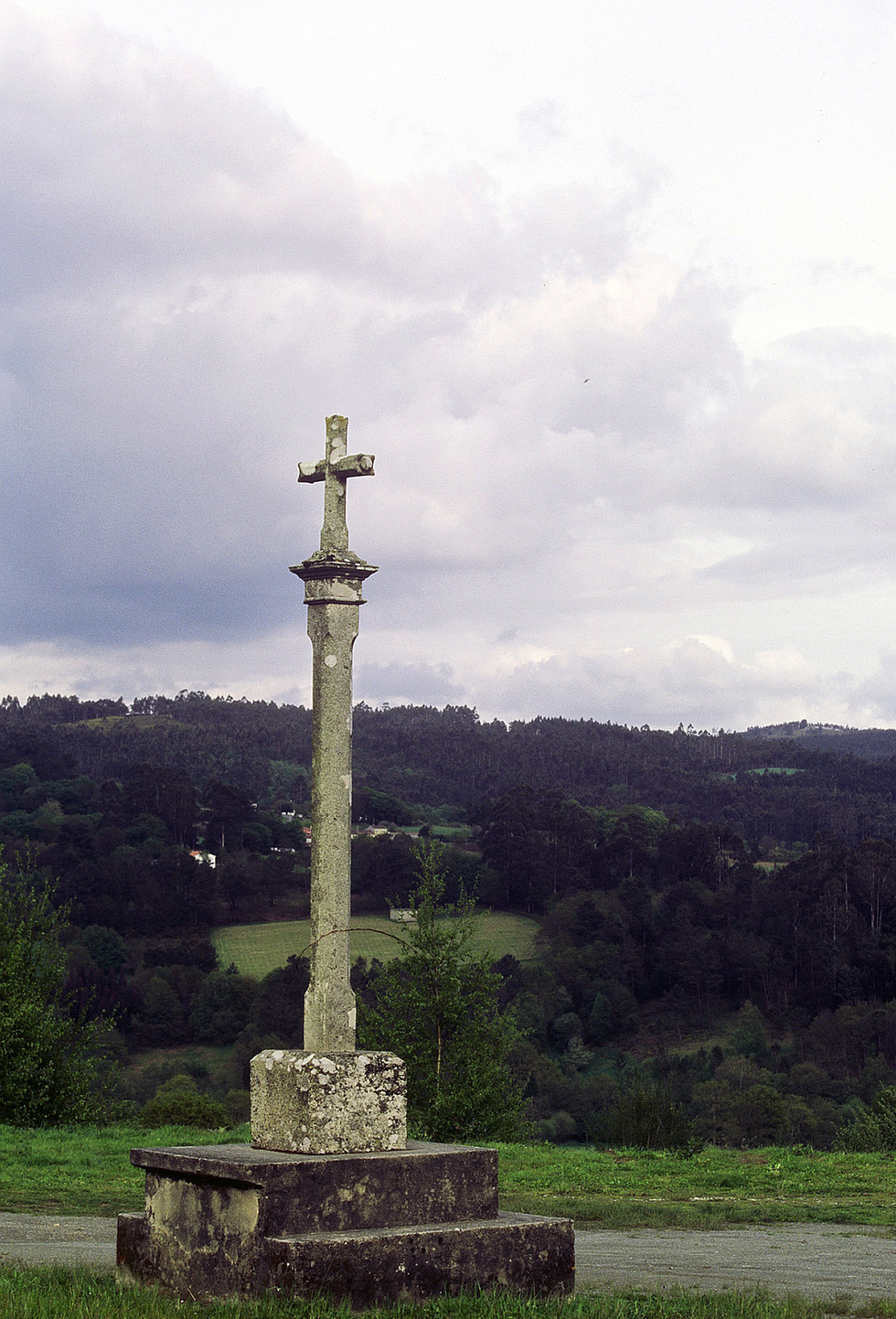
Sobrado-Arzúa
The Northern Way
Stage: Sobrado-Arzúa
This section once again highlights all the charms of Galicia’s pure lush landscape and invaluable examples of vernacular architecture. The Northern Route converges with the French Route at Arzúa.
Sobrado dos Monxes- As Corredoiras
We leave behind the grandeur of Sobrado Monastery and continue on to Vilarchao, O Peroxil and Carelle before coming to As Corredoiras.
Sobrado dos Monxes - As Corredoiras
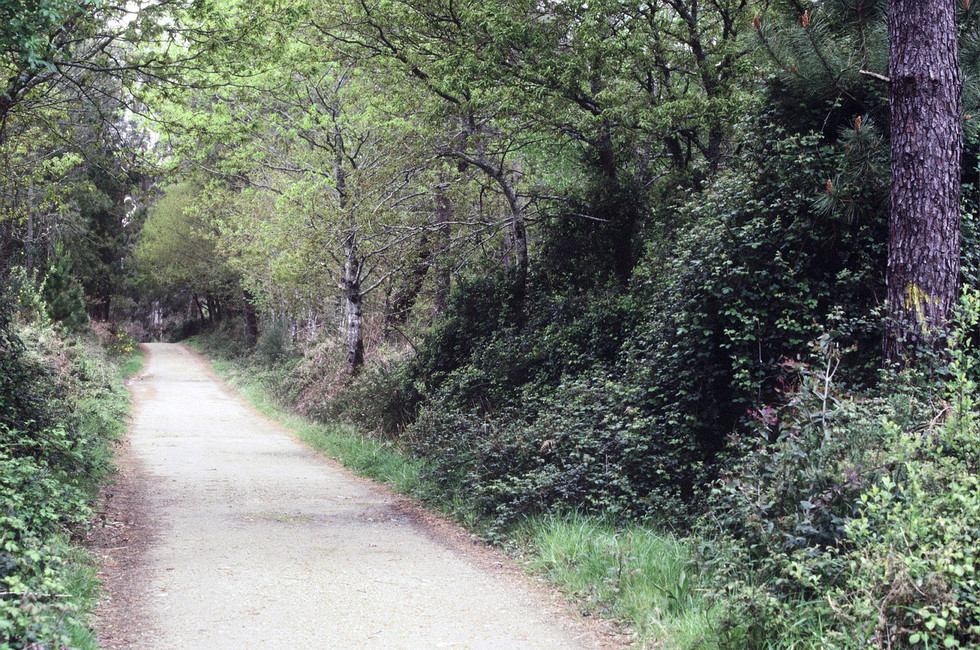
As Corredoiras- Sendelle
After a crossroads, we head towards the municipality of Boimorto. This section once again highlights all the charms of Galicia’s pure lush landscape and invaluable examples of vernacular architecture. From Boimorto the route continues to Sendelle, where there is a 12th-century Romanesque church.
As Corredoiras - Sendelle
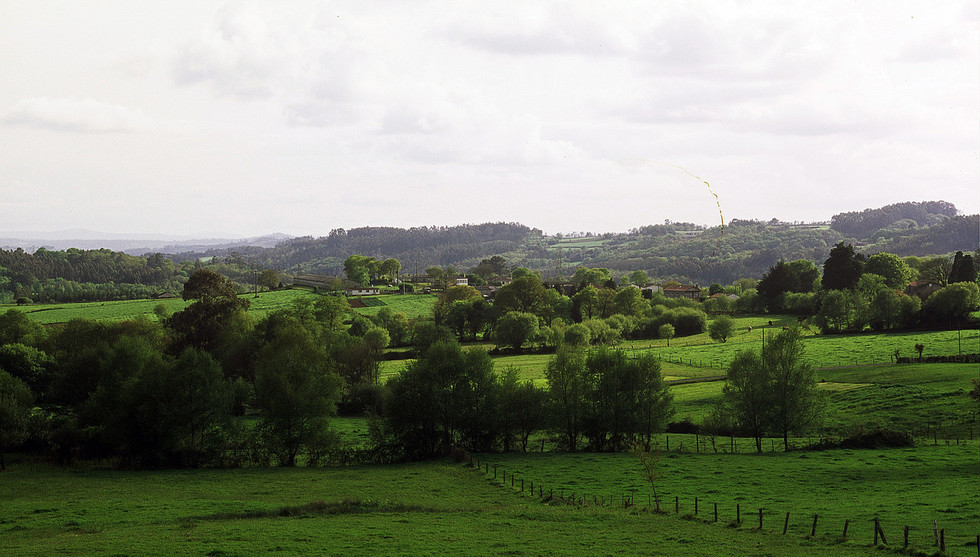
Sendelle- Arzúa
After leaving Sendelle behind and passing through Vilar, we come to Arzúa. As mentioned earlier, the Northern and French routes converge at the town of Arzúa. It is also on the Primitive Route, which joined the French Route at Melide. Together, the three routes undertake the journey to their common goal: Compostela.
In Arzúa – a town famous in culinary circles for the local cheeses, which boast the Arzúa-Ulloa designation of origin – the Way of St. James becomes urban. Documentary sources dating from the 13th century refer to this section of the route as the ‘Camiño de Oviedo’ (Oviedo Route) and the street is still known as Rúa do Camiño. Arzúa’s growth owes much to the pilgrimage phenomenon. Today it is a major centre for the district, with an economy based on agriculture and livestock farming.