Stage Sanctuary of the Virxe da Barca (Muxía) - Fisterra
The Fisterra and Muxía Way
Stage: Sanctuary of the Virxe da Barca (Muxía) - Fisterra
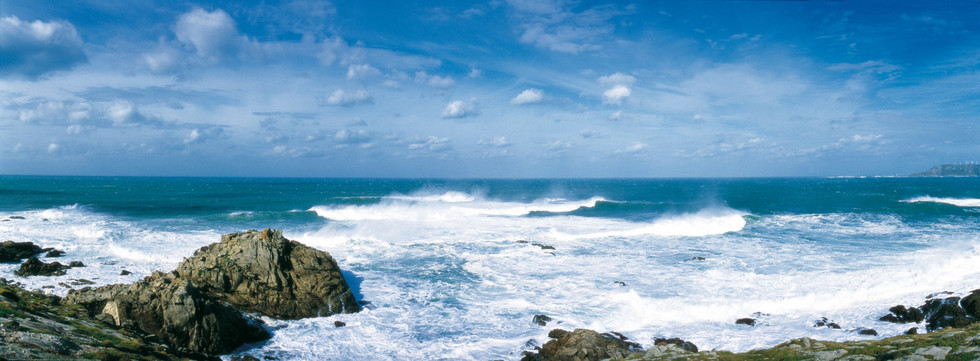
We culminate the stage to Fisterra in the constant company of the sea and impressive beaches.

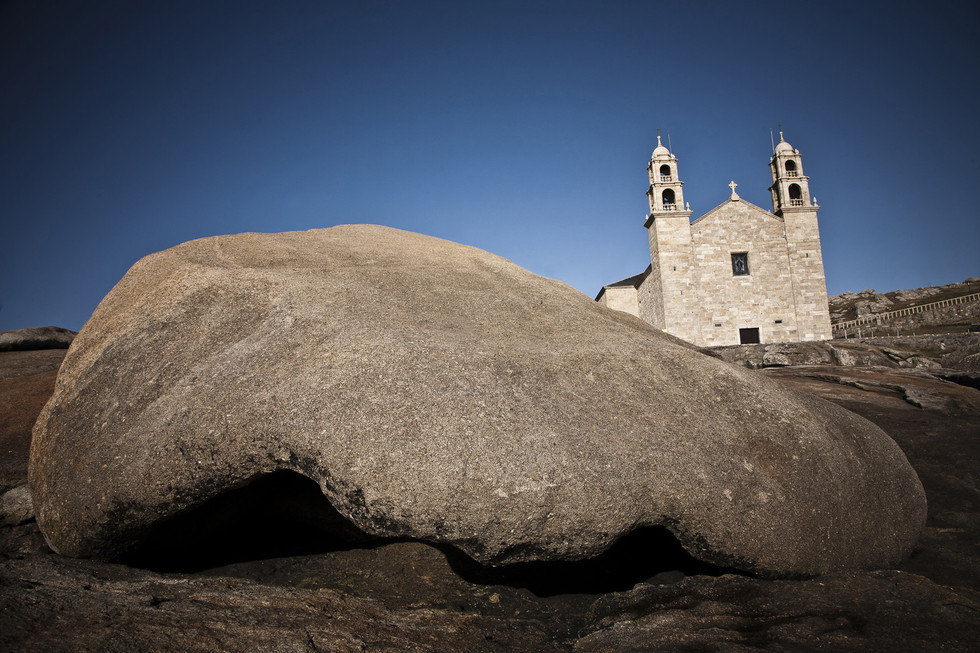
Santuario da Virxe da Barca- Muxía
We leave the Sanctuary of the Virxe da Barca, which has a strong jacobean tradition and its environment of “saint stones”, which are considered to have therapeutic properties, and go then to Muxía, bordering Mount Corpiño through the “Camiño da Pel”, place name that refers to a missing spring where pilgrims used to wash themselves up. At the bottom of the mountain, already entering Muxía, we reach the church of Santa María, built in Gothic-marine style in the second half of the XIVth century.
Sanctuary of the Virxe da Barca - Muxía
Muxía- Facho de Lourido
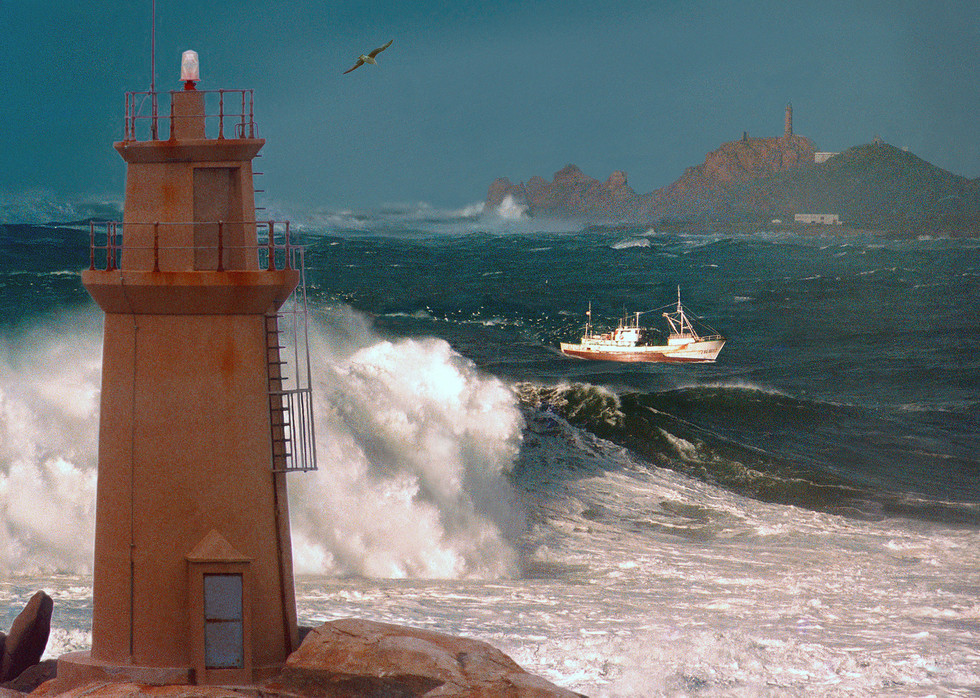
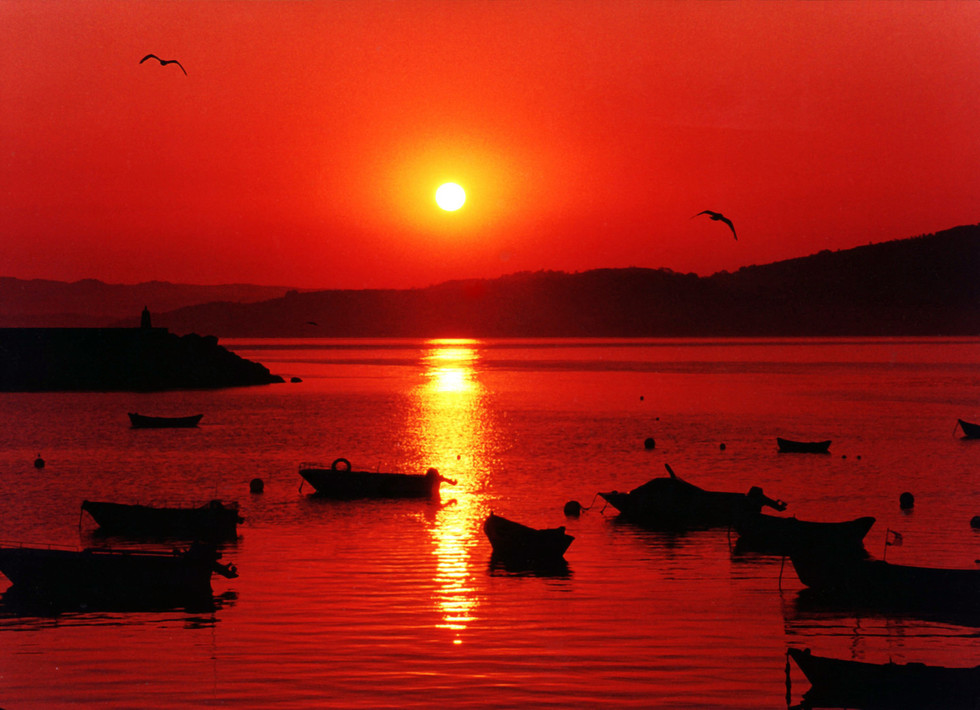
We leave Muxía through the streets Campo das Pinas, Os Malatos and Enfesto. Bordering lourido beach, we reach the village of Xurarantes and the Facho of Lourido, old vantage point where the locals lit bonfires to warn of dangers around these coasts.
Muxía - Facho de Lourido
Facho de Lourido- Lires
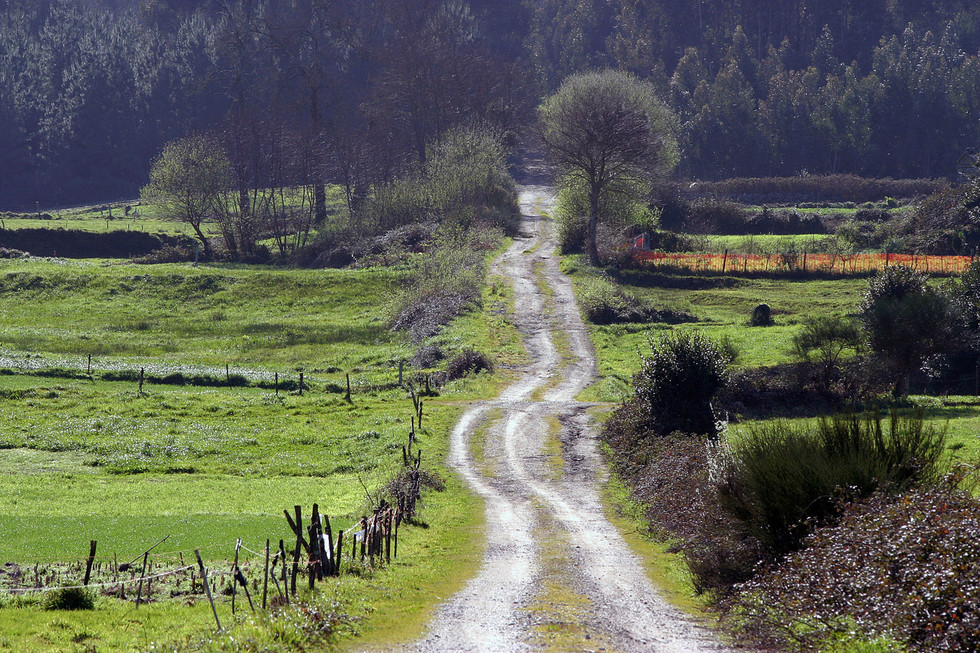
From the Facho of Lourido the route goes on through Morquintián, Guisamonde, Frixe end descends to Vaosilveiro, where we will cross river Castro by a recently built bridge, that was inaugurated in 2011 and made this ford easier for pilgrims.
Facho de Lourido - Lires
Lires- Castrexe
The ria of Lires has a very important ornithological wealth and remarkable samples of popular and religious architecture.
After crossing the river Lires we go on our route through the villages of Canosa, Padrís and Castrexe. We will meet a very beautiful stretch, through deep “corredoiras” which enter the mountain .
Lires - Castrexe (Praia do Rostro)
Castrexe- Fisterra
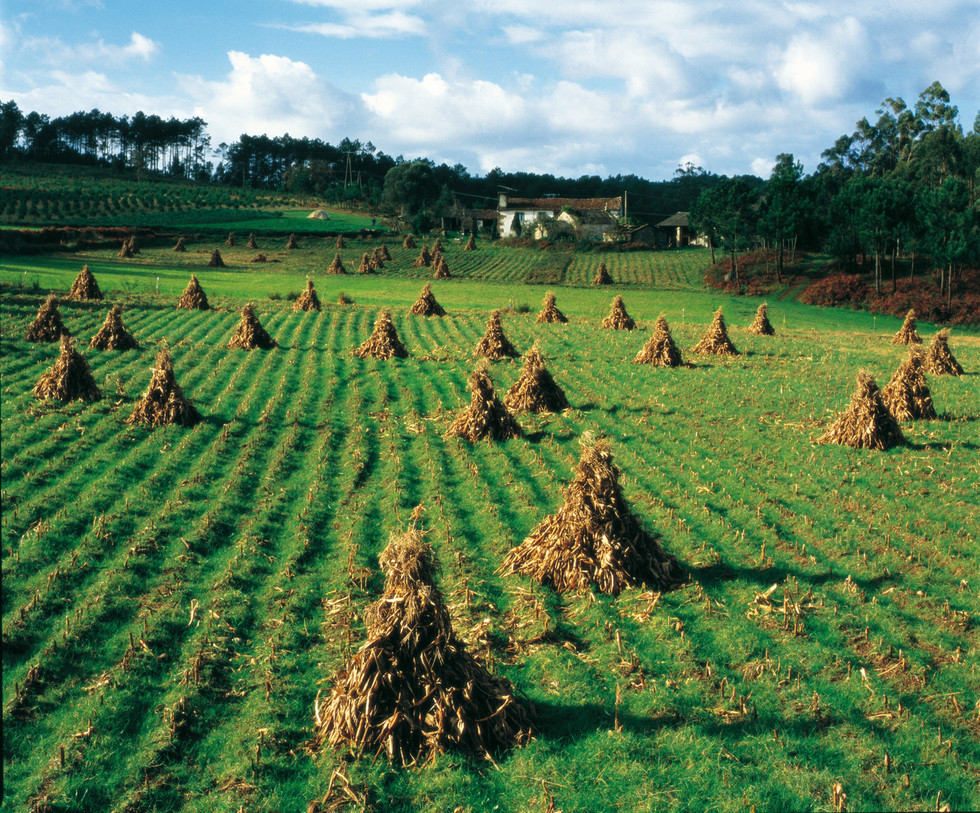
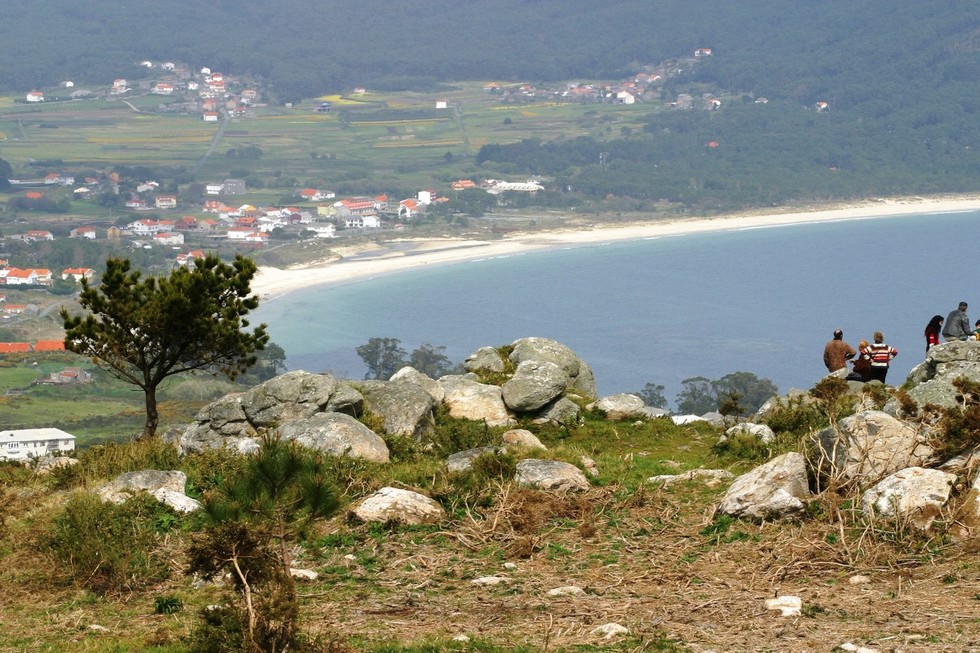
From Castrexe the Way goes on, with the omnipresent sea, between villages, forests and corn crops. We pass near the beach of O Rostro, which appears between pinewoods.
We go on through Buxán and then we enter the valley of Duio. From the parish of San Martín de Duio, a temple that may refer to the missing roman city Dugium and was already quoted in the Book III of the Codex Calixtinus, by going up and down the paths and forests, we reach the town of Fisterra.
Castrexe (Praia do Rostro) - Fisterra
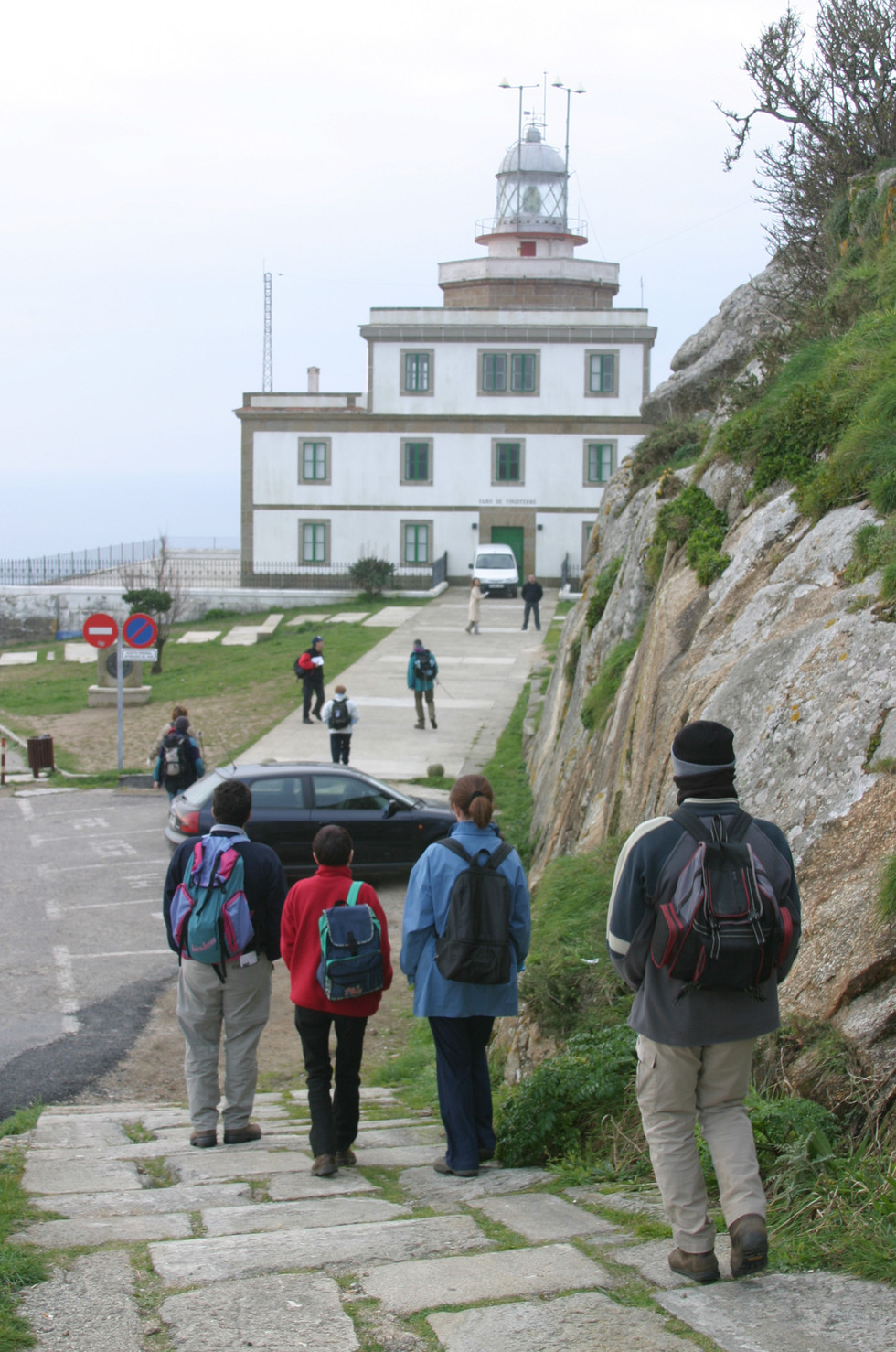
Fisterra- Faro Fisterra
From Fisterra, following the road that goes up to the Lighthouse, we pass the church of Santa María das Areas, where the Santo Cristo of Fisterra is kept.
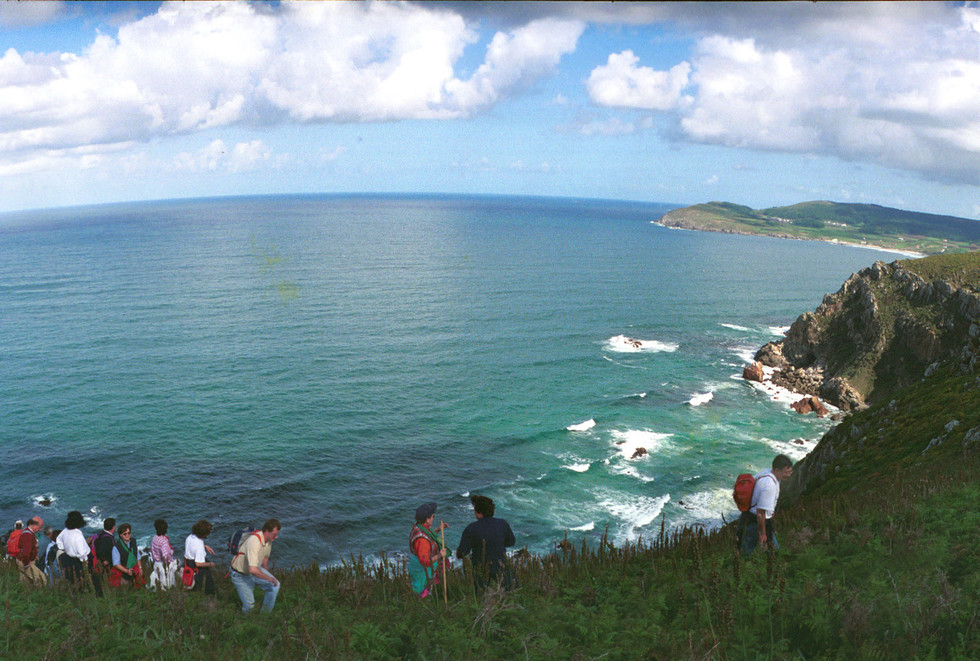
We reach the tip of the mythical lighthouse, km0 of the Way of Saint James. The oceans opens in front of us as a photographic wide angular, and all the sensations come together at this cape of the end of the world.