Castroverde-Lugo
The Primitive Way
- Alto do Acevo
- Fonfría
- Paradanova
- San Xoán do Padrón
- Hospital de Montouto
- Paradavella
- A Degolada
- A Lastra
- A Fontaneira
- O Cádavo
- Vilalle
- Castroverde
- Santa María de Gondar
- Carballido
- Lugo
- San Vicente do Burgo
- San Romao da Retorta
- Augas Santas
- Vilouriz
- Vilamor
- Melide
- Boente
- Ribadiso
- Arzúa
- A Salceda
- Santa Irene
- Arca, O Pino
- A Lavacolla
- Monte do Gozo
- Santiago
- Alto do Acevo
- Fonfría
- Paradanova
- A Proba de Burón
- Hospital de Montouto
- Paradavella
- A Degolada
- A Lastra
- A Fontaneira
- O Cádavo
- Vilalle
- Castroverde
- Santa María de Gondar
- Carballido
- Lugo
- San Vicente do Burgo
- San Romao da Retorta
- Augas Santas
- Vilouriz
- Vilamor
- Melide
- Boente
- Ribadiso
- Arzúa
- A Salceda
- Santa Irene
- Arca, O Pino
- A Lavacolla
- Monte do Gozo
- Santiago
Stage: Castroverde-Lugo
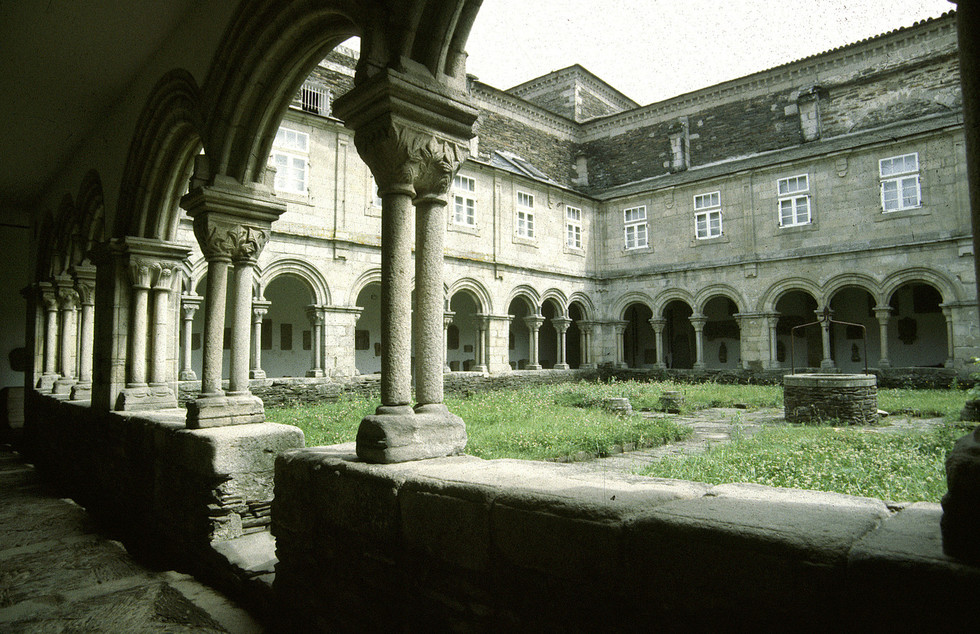
Highlights on this section include Soutomerille, an abandoned village with a Pre-Romanesque church. A stone lattice window from the era of Alfonso III (9th–10th centuries) survives to this day. We are 20 km from Lugo and place names referring to the Way of St. James will accompany us along the entire way.
Castroverde- Santa María de Gondar
From Castroverde, we continue on to Souto de Torres, San Miguel do Camiño and Vilar de Cas before reaching Soutomerille, where we can see what is left of the Pre-Romanesque church of the same name dedicated to San Salvador.
Castroverde - Santa María de Gondar

Santa María de Gondar- Carballido
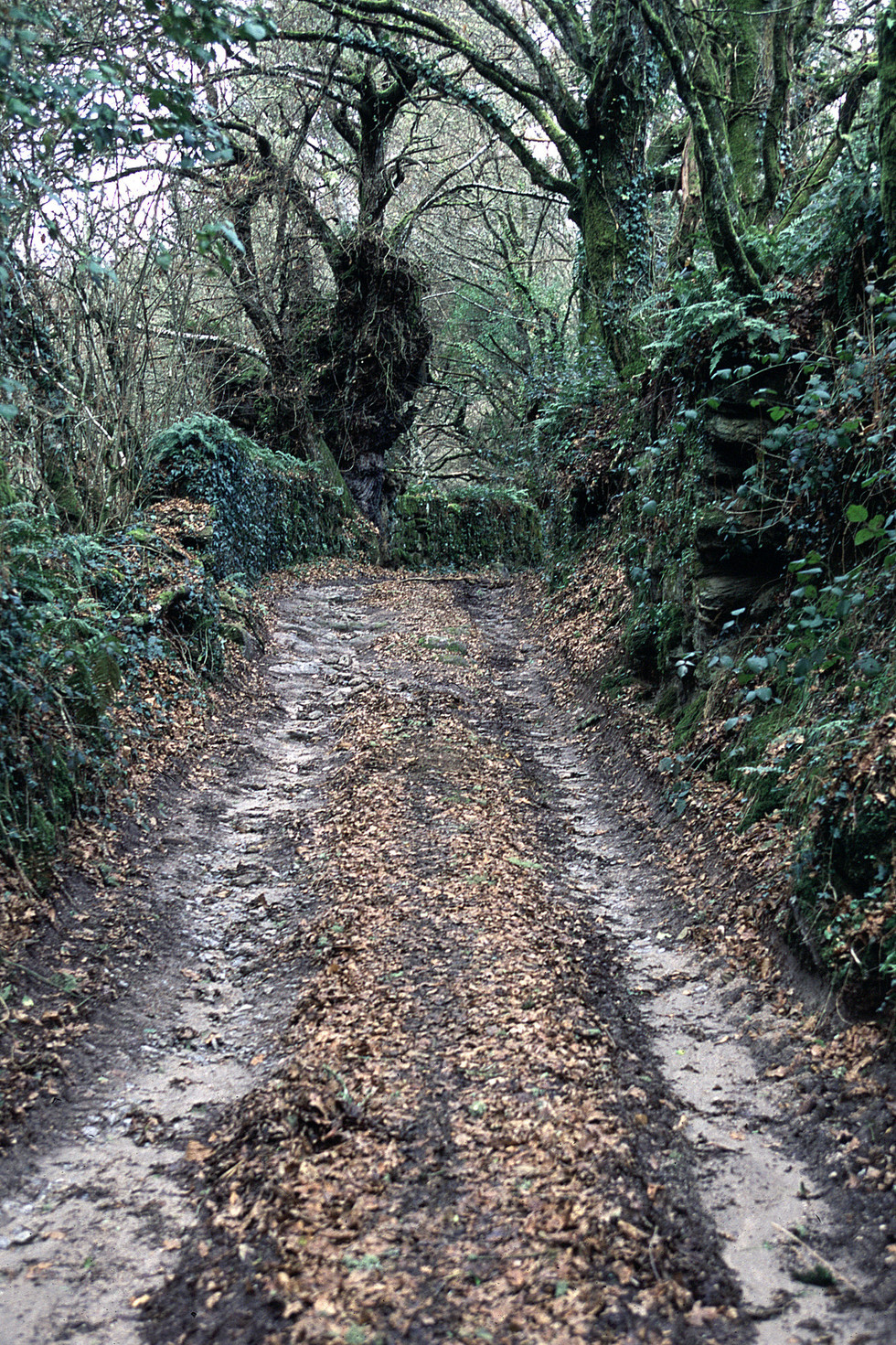
In Gondar we cross the Romeán River, entering the municipality of Lugo. The route continues to Carballido.
Santa María de Gondar - Carballido
Carballido- Lugo
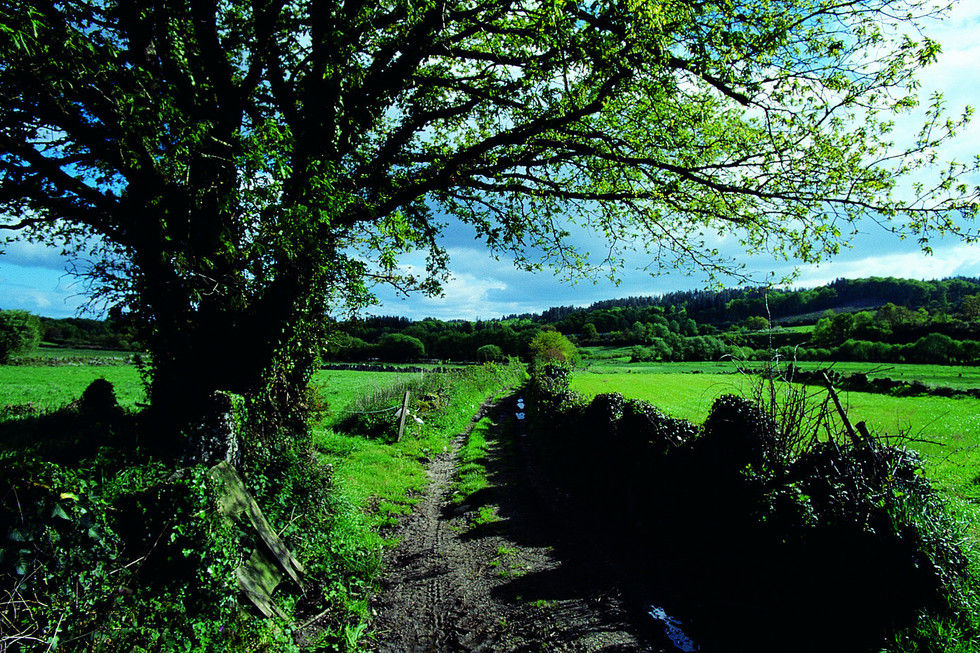
After leaving Carballido and As Casas da Viña behind, we enter the oldest city in Galicia, Roman Lucus Augusti. The route leads under A Chanca Bridge, opened in 1880 to carry rail traffic over the Rato River. The bridge was one of the major railway engineering works of its time.
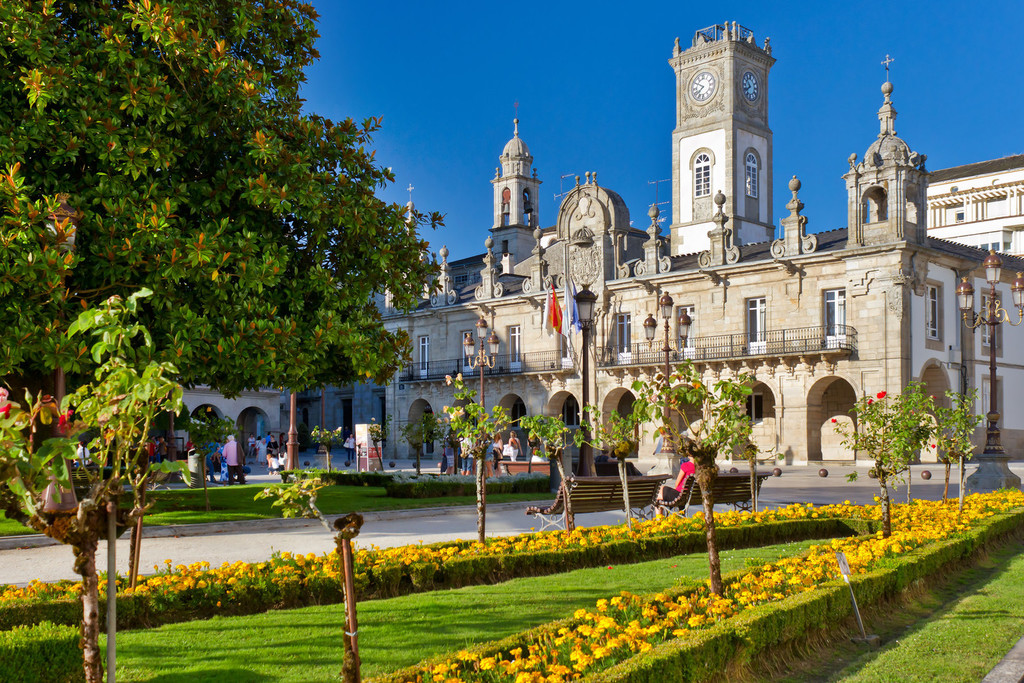
We climb – Lugo is built atop a type of pre-Roman hilltop fortified settlement known as a castro – up to the Roman walls (3rd–4th centuries). The walls have been listed as a World Heritage Site since 2000. We enter through San Pedro Gate and continue through the city to the lovely and inviting Main Square, followed by Santa María Cathedral, where pilgrims stop to pray before the Holy Sacrament, on permanent display in the basilica since the 12h century.
The city walls have a perimeter of 2,140 metres, a wall walk on top which runs the entire length and ten entrance gates. It is the only complete Roman fortified site in the world.
In addition to its many historic sites – which range from Roman archaeology to major baroque buildings – Lugo offers pilgrims excellent cuisine and an outstanding natural habitat of native forest along the banks of the Miño River.