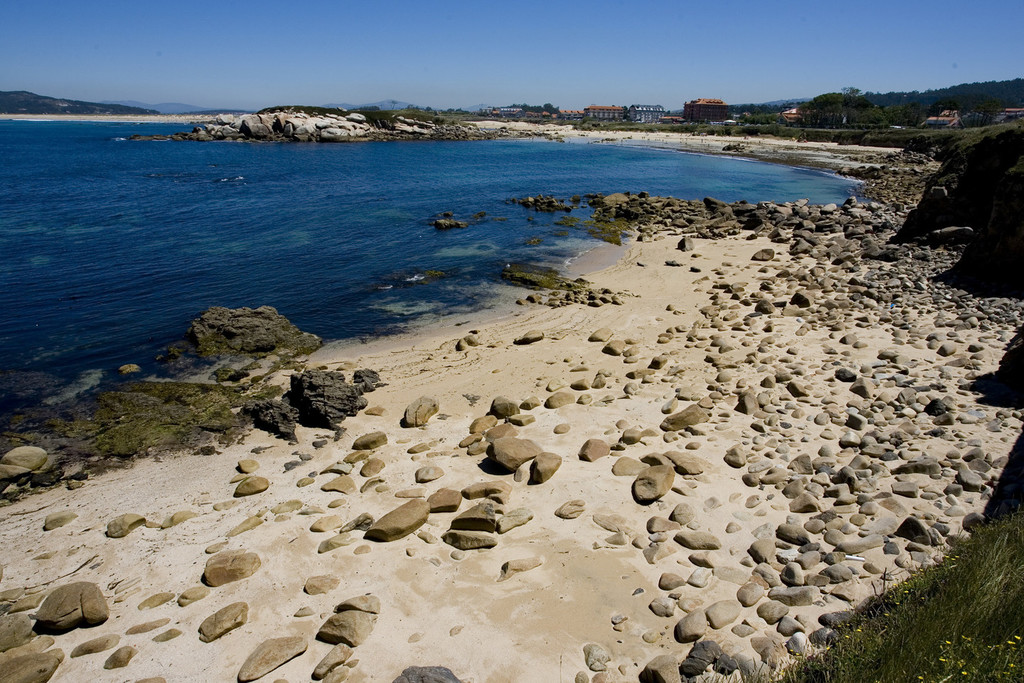
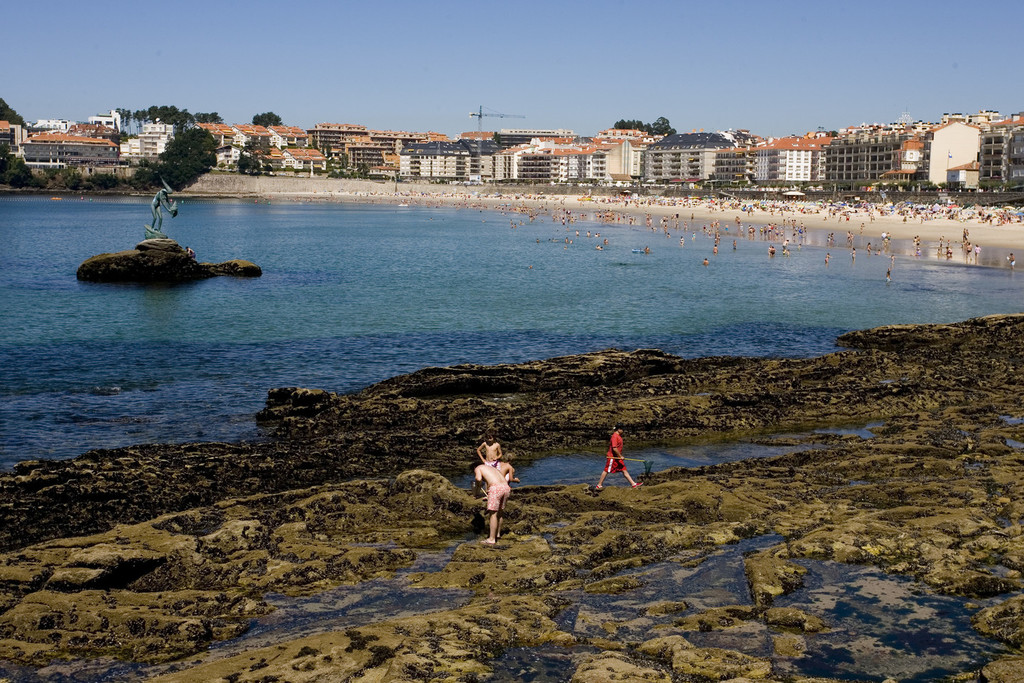
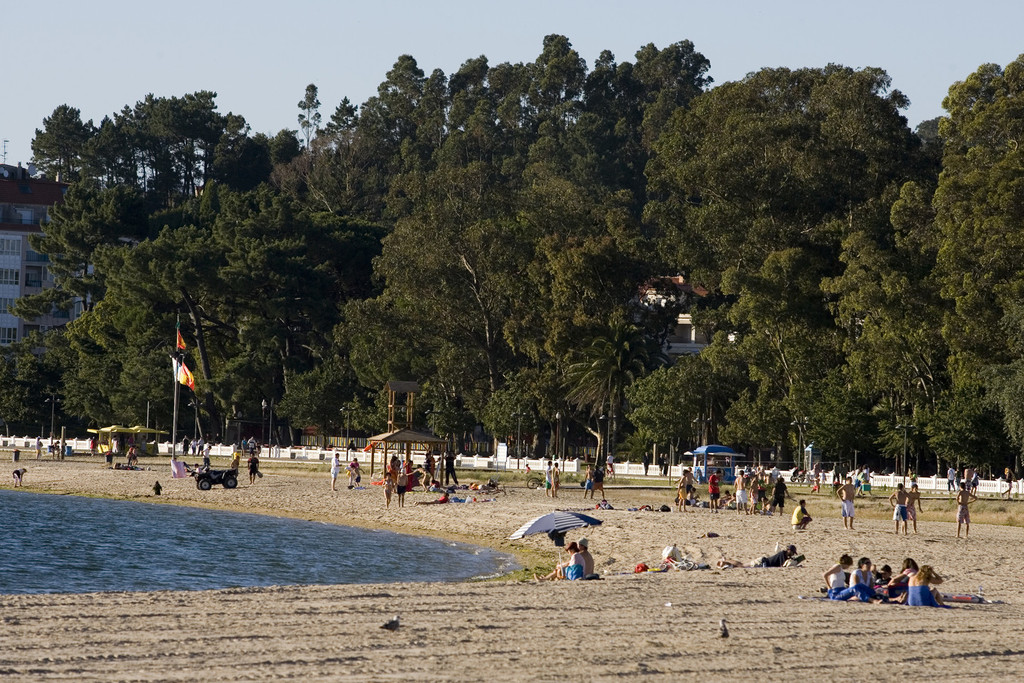
The Beach of A Lanzada extends through the municipalities of Sanxenxo and O Grove
The Mar de Arousa and Río Ulla Route
Stage: Arousa South
Sanxenxo
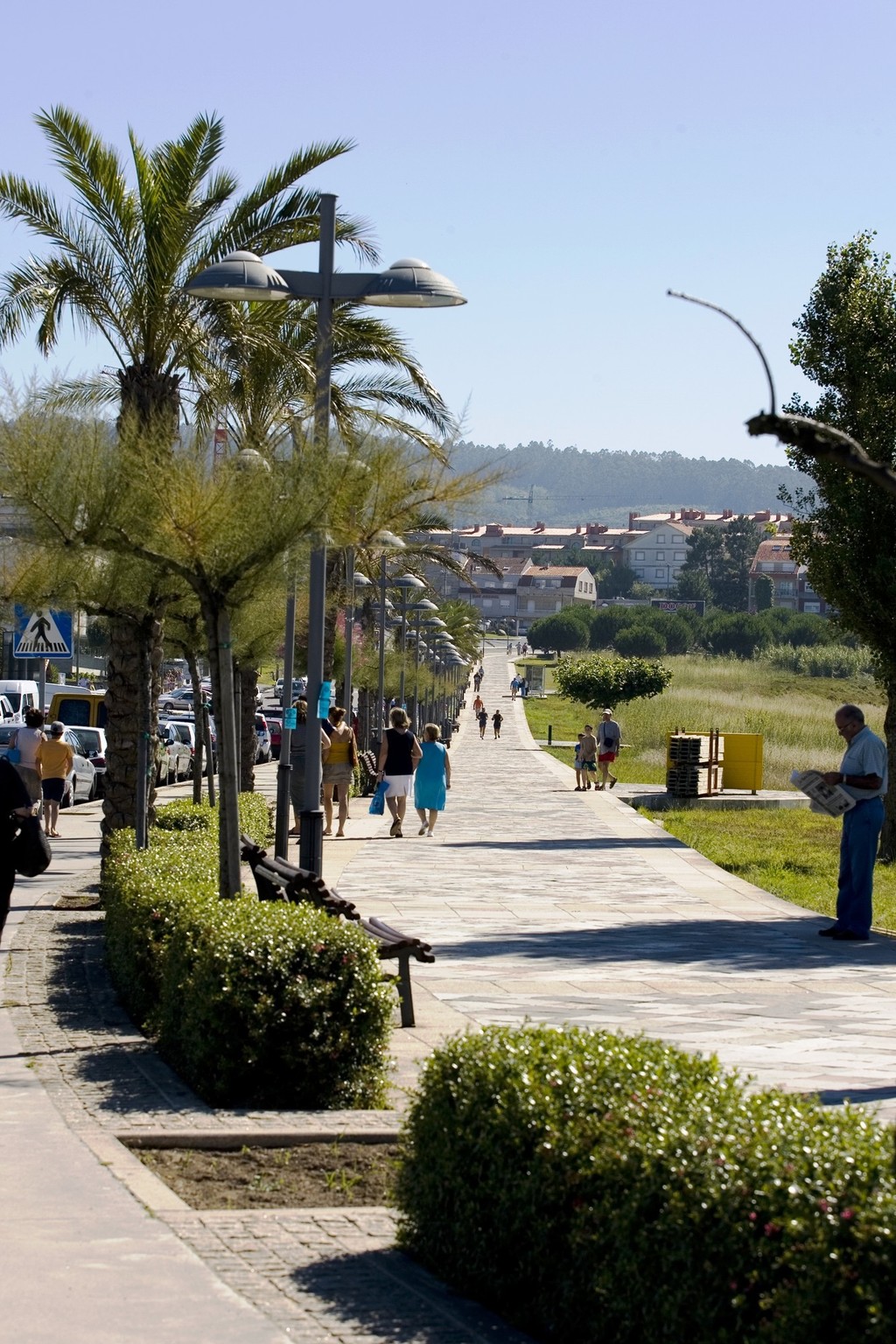
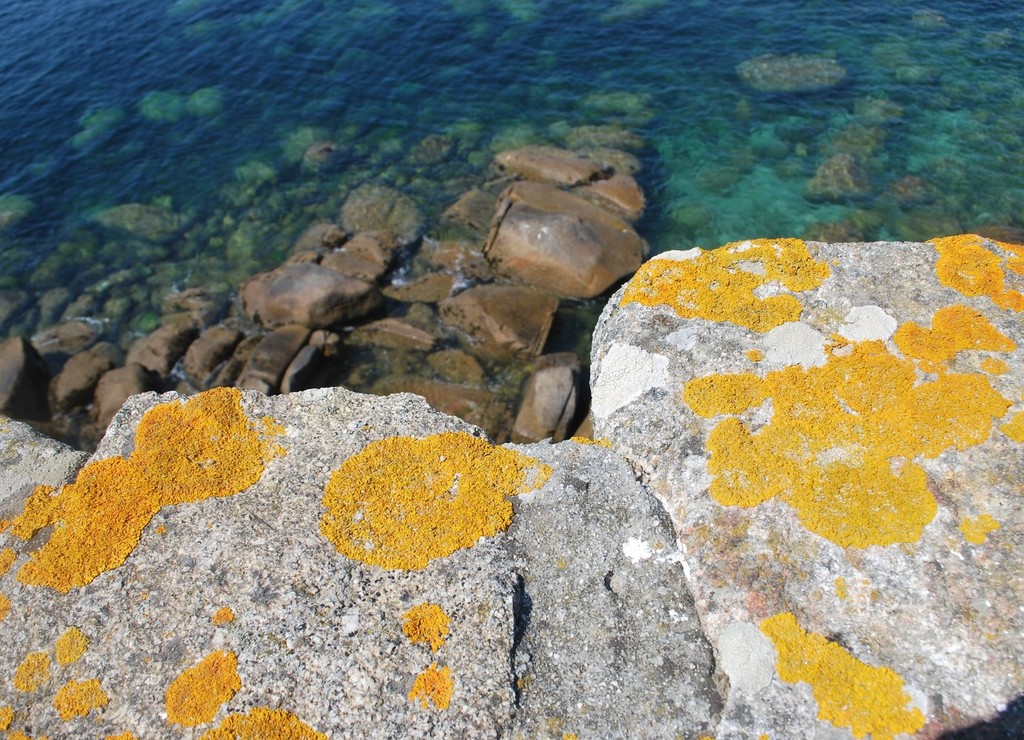
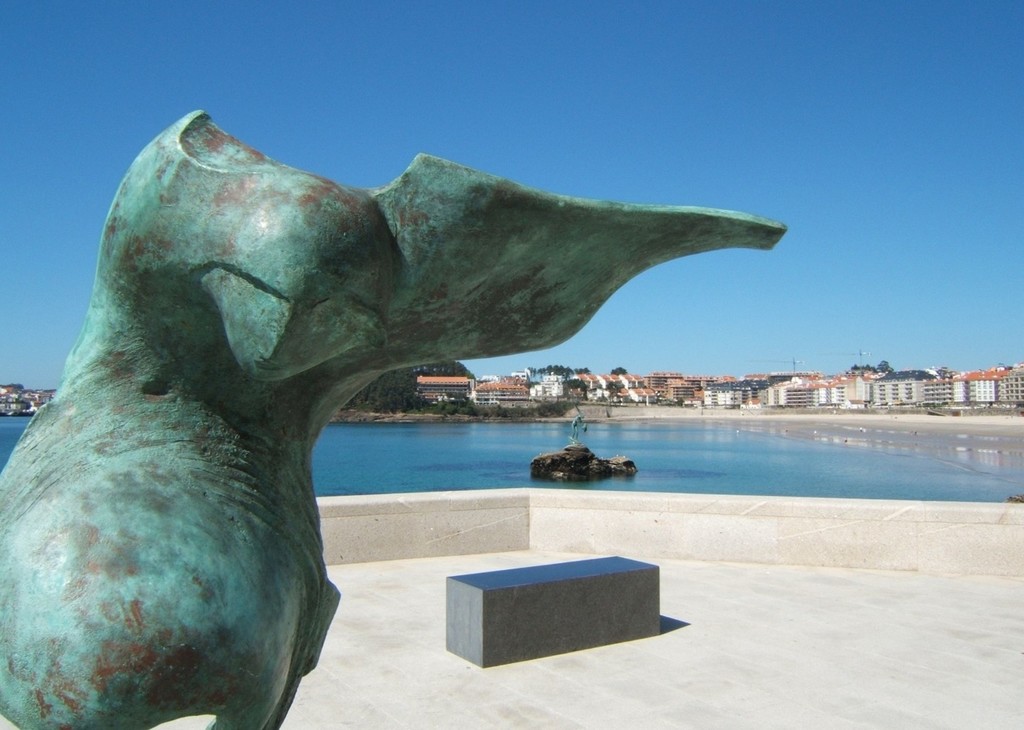
Sanxenxo is the emblematic municipality of Galicia as regards sun and sand tourism. Its 36 km of coastline have a score of sandy beaches, more than half of which have Blue Flags, so this Town Hall is the leading one in Spain with these types of distinctions.
The beach of Silgar is the most highly populated, the summer holiday nucleus of thousands of people from Galicia and beyond. At the other end of Sanxenxo, A Lanzada, an emblematic beach with an extension of 2.8 km, most of which belongs to the neighbouring municipality of O Grove.
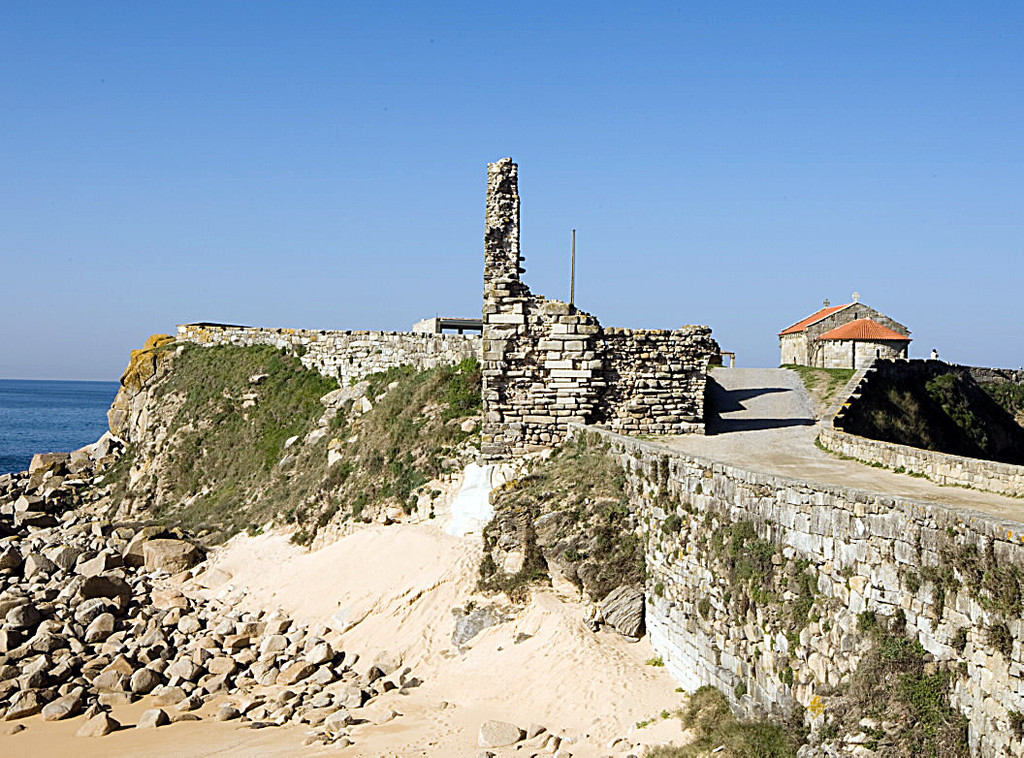
At the start of this beach, in the area of Sanxenxo, A Lanzada has a valuable, historical, late Roman and medieval complex — excavated in 2010 — and the remains of the Castle of A Lanzada, the first maritime defence of Compostela in the XI and XII centuries, which still has the remains of a tower and the Romanic chapel.
This municipality is also known for its sea products gastronomy, the delicate Abariño wines (Rías Baixas Denomination of Origin) such as those of Padriñán, together with the summer nights of Silgar and Portonovo.
Meaño
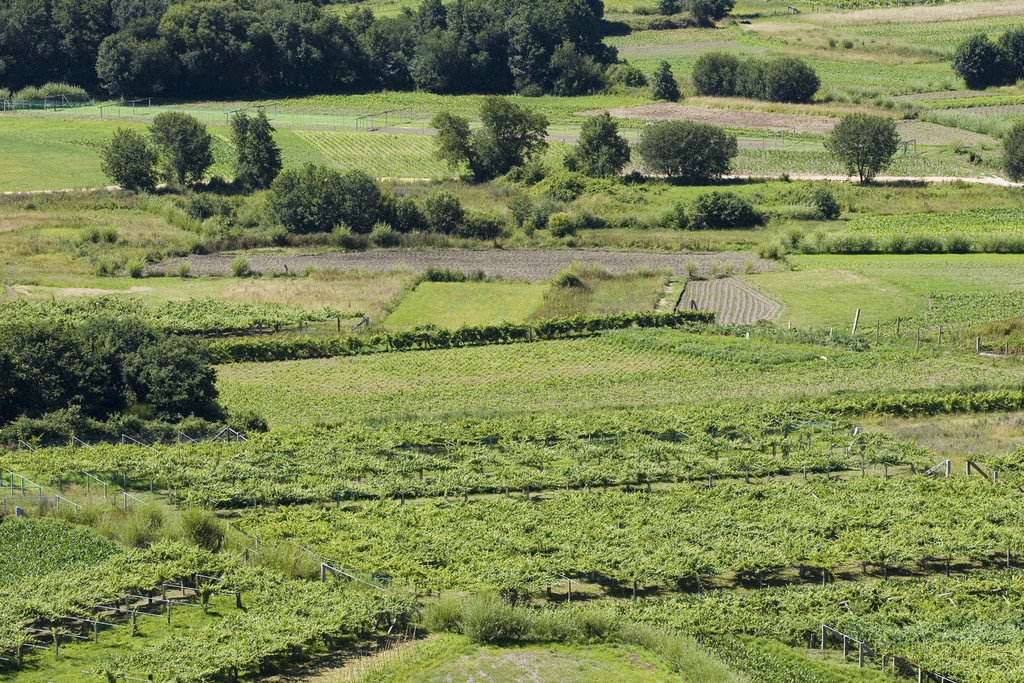
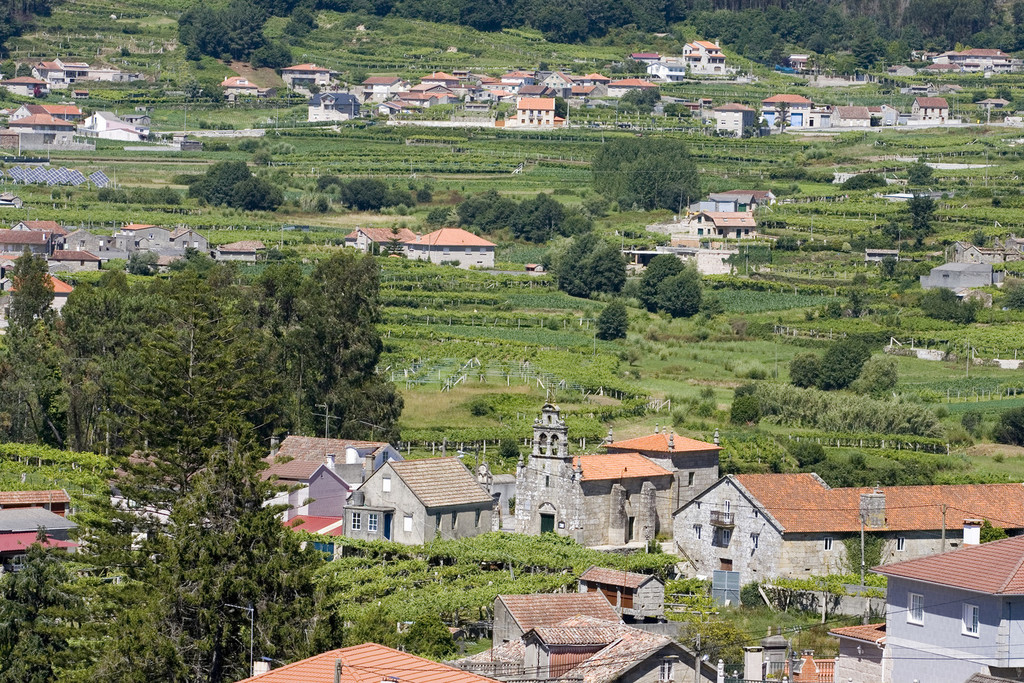
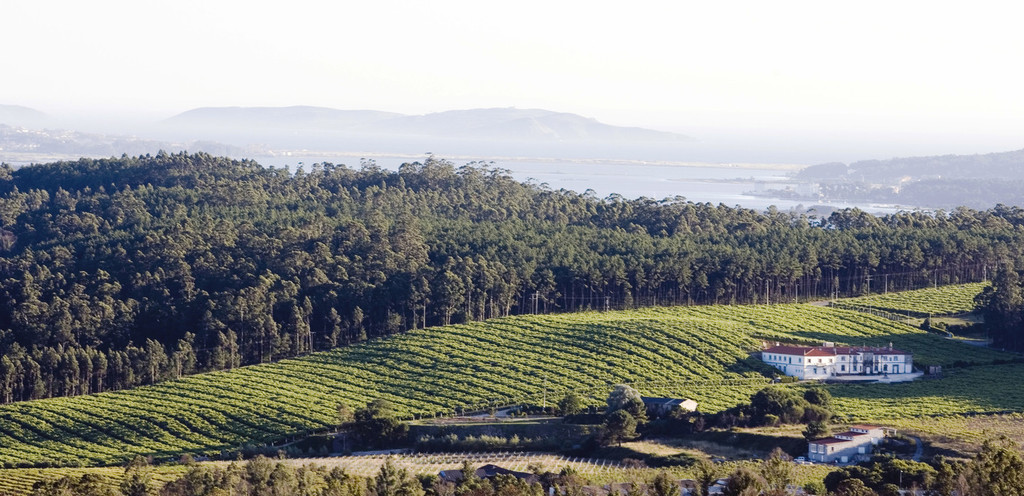
If Sanxenxo represents the potential and the beauty of the Atlantic coast, Meaño, as a relaxed inland prolongation, regales us with its fertile, rural landscape with its crops (outstanding among which are the grapes of Albariño wine) and its rich granite.
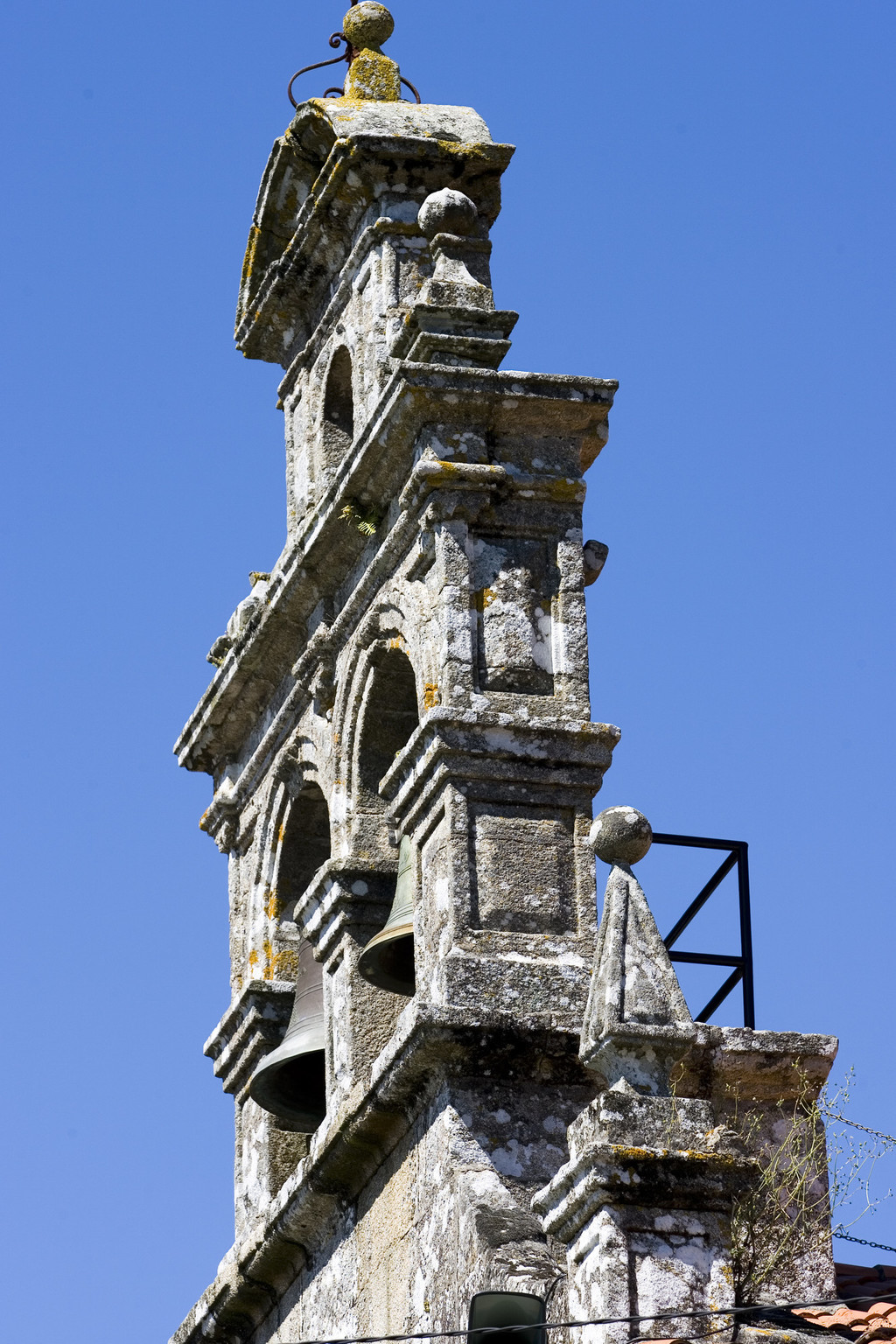
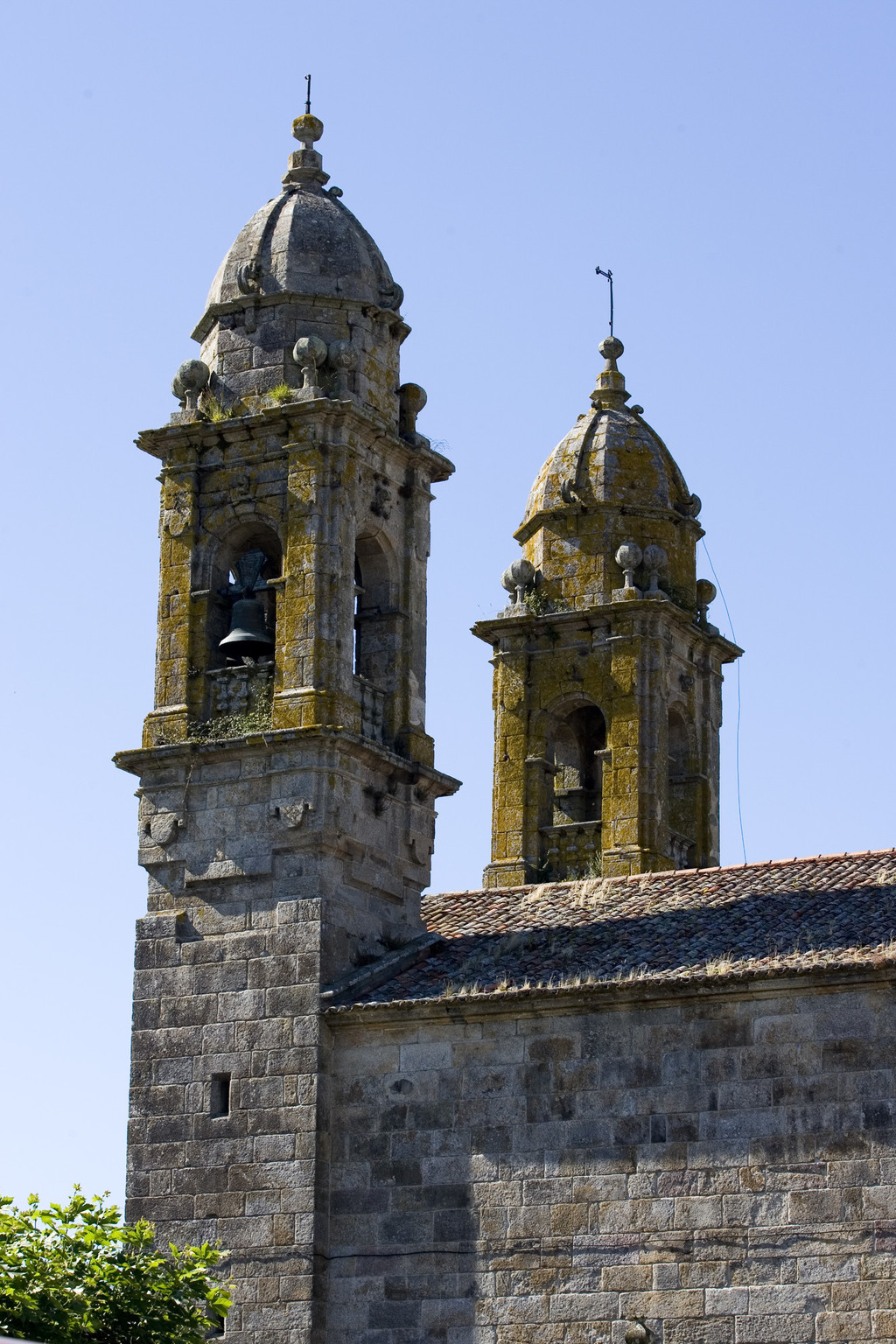
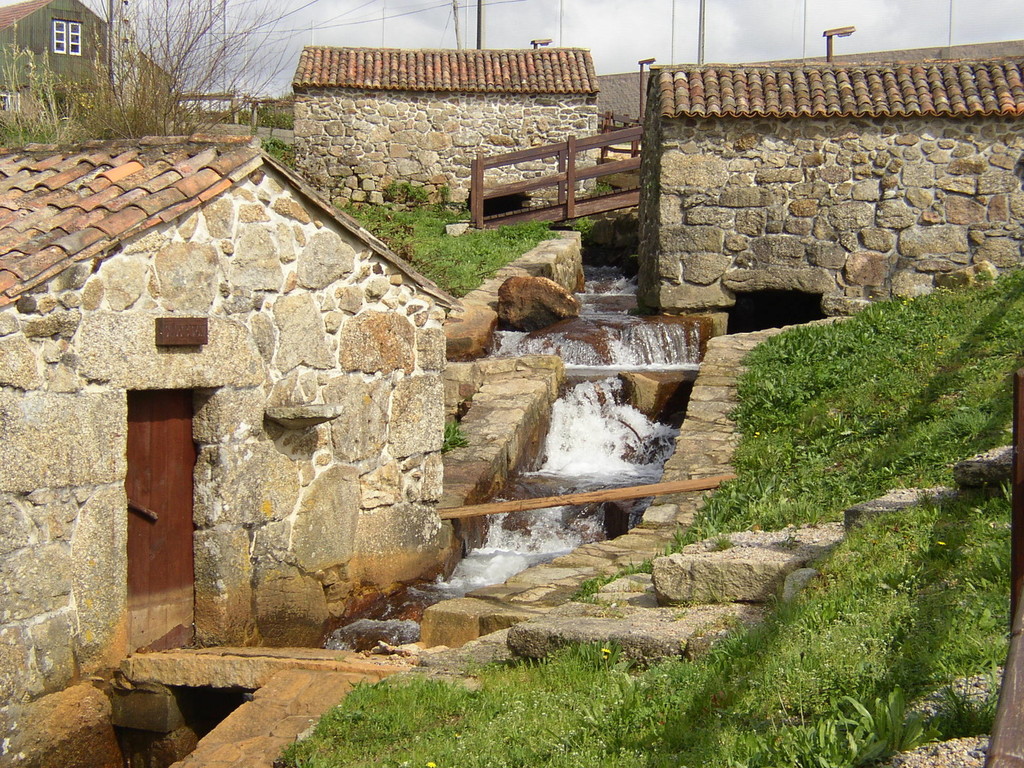
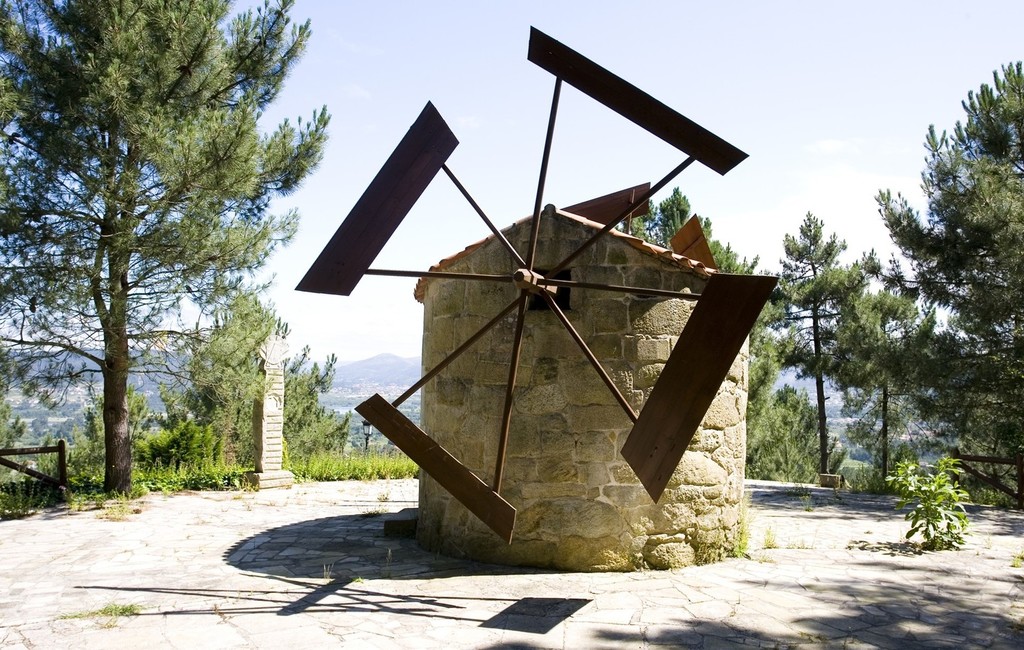
With a population of approximately 6,000 inhabitants, Meaño exhibits its ethnographic beauty and civil architecture in Calvaries, hórreos (traditional granaries) — such as the “L” shaped one in Simes—, water mills — more than 70 in all the territory —, and pazos (manor houses) such as those of the Zárate and Lis families, besides its Romanic Churches, among which is the Church of Simes.
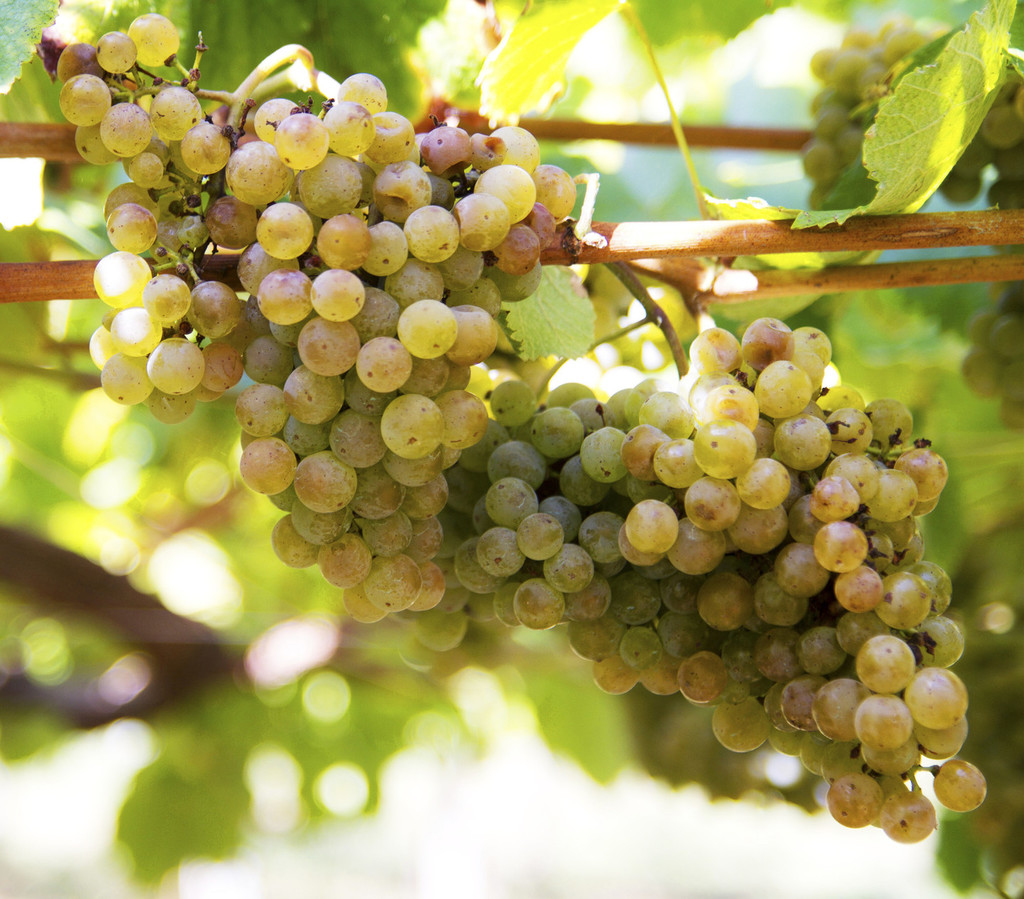
Besides all this demonstration of art, the vineyards laid out on the slopes also become true artistic creations. These are the famous Albariños — with the Rías Baixas Denomination of Origin — which personalise all the region of O Salnés: aromatic white, fruity and young wines which have achieved global prestige.
Meaño is a quiet municipality. Its select offer of rural tourism complements the multi-colour bustle of the nearby coast. The Route dos Muíños leads us on a walking tour of the water mills and every July this municipality gives praise to its Albariño wines at the Encontro de Viños de Autor. Several Wine Routes have been laid out all over the region of O Salnés.
O Grove
The municipality of O Grove starts at the headland of San Vicente, at the entrance of the Ría on the starboard side. Its other end is situated on the Isle of A Toxa, in the east, in the interior of this miniature ocean composed by the grand Ría de Arousa.
The peninsula of San Vicente regales us with the oldest iconographic representation of the Transfer of the Body of the Apostle Santiago. It is a coin of the Mint of Compostela corresponding to the reign of Fernando II of León (1157-1188) which was discovered in the archaeological excavations of Adro Vello, on the beach of O Carreiro. The reverse side of the silver and copper coin shows the recumbent body of the Apostle, accompanied by his two disciples and resting in the interior of a nave.
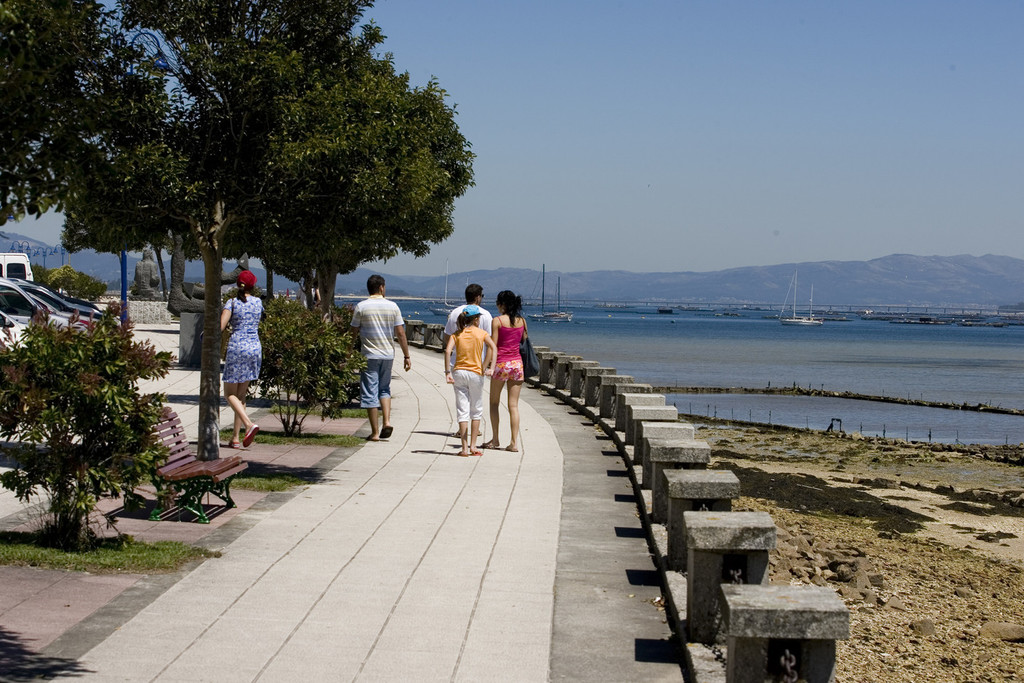
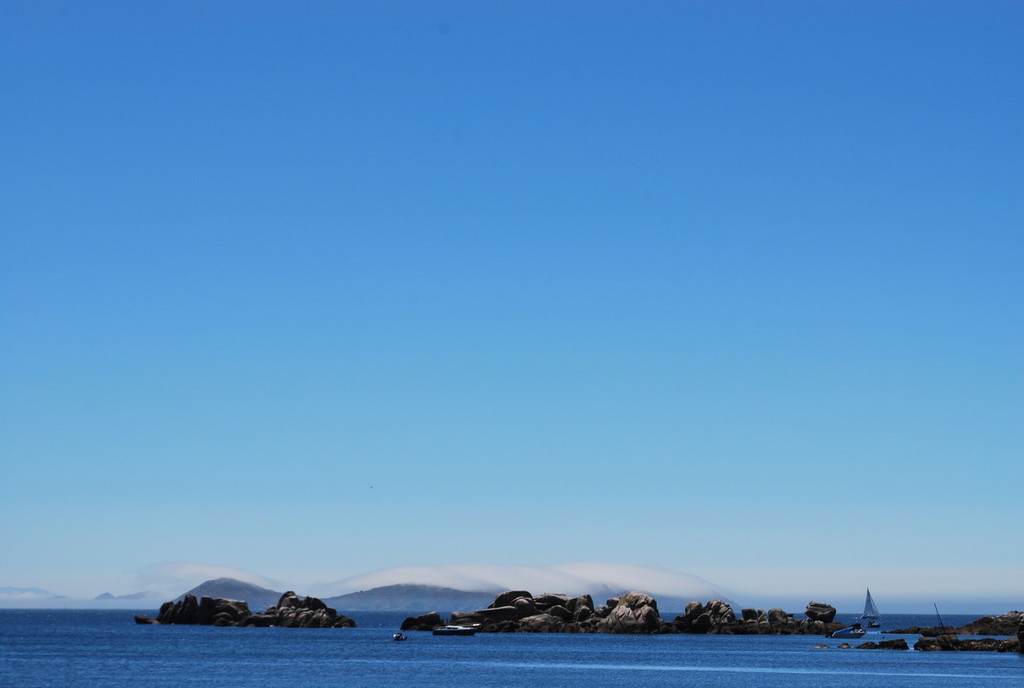
Between the headland of San Vicente and the Isle of A Toxa, O Grove offers a coastline with magnificent beaches with white or golden sands, authentic natural areas with wild pine woods and attractive routes for walking, together with a rich gastronomic offer.
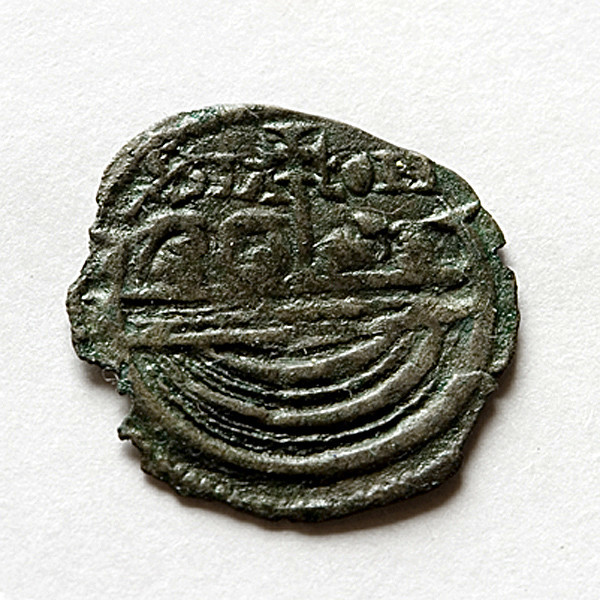
XII century coin with the image of the Transfer, discovered in Adro Vello (Museo das Peregrinacións e de Santiago)

Meis
The Monastery of Armenteira — of the XII century and of Cistercian origin — is the monumental emblem of the municipality of Meis. The monastery has undergone several reformations throughout its history, but its imposing architecture reminds us today that it has been one of the most important monasteries in Galicia.
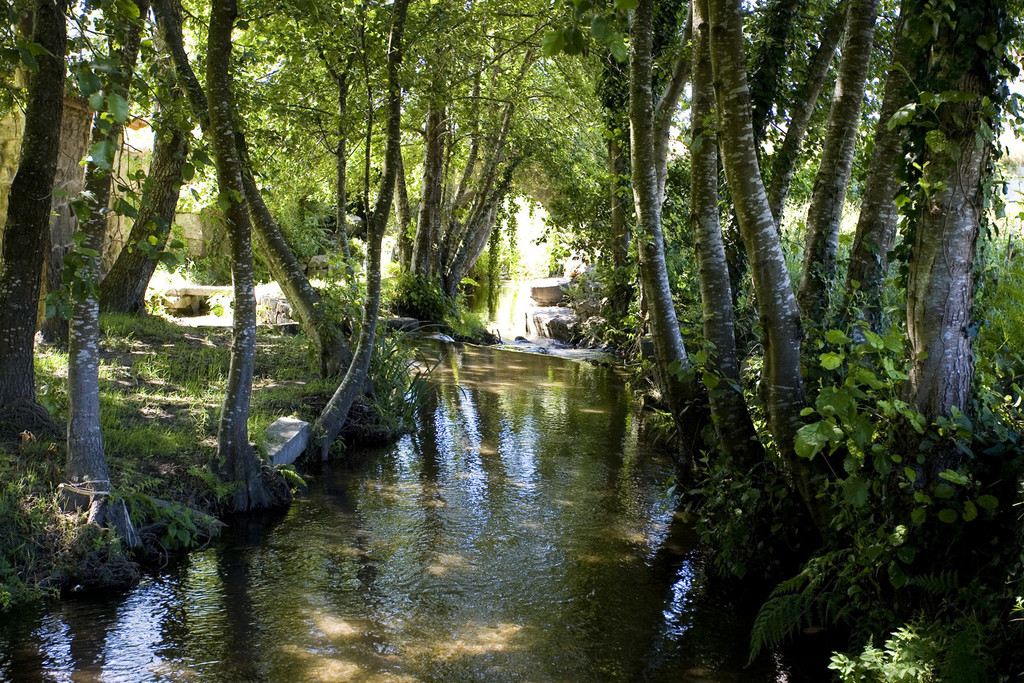
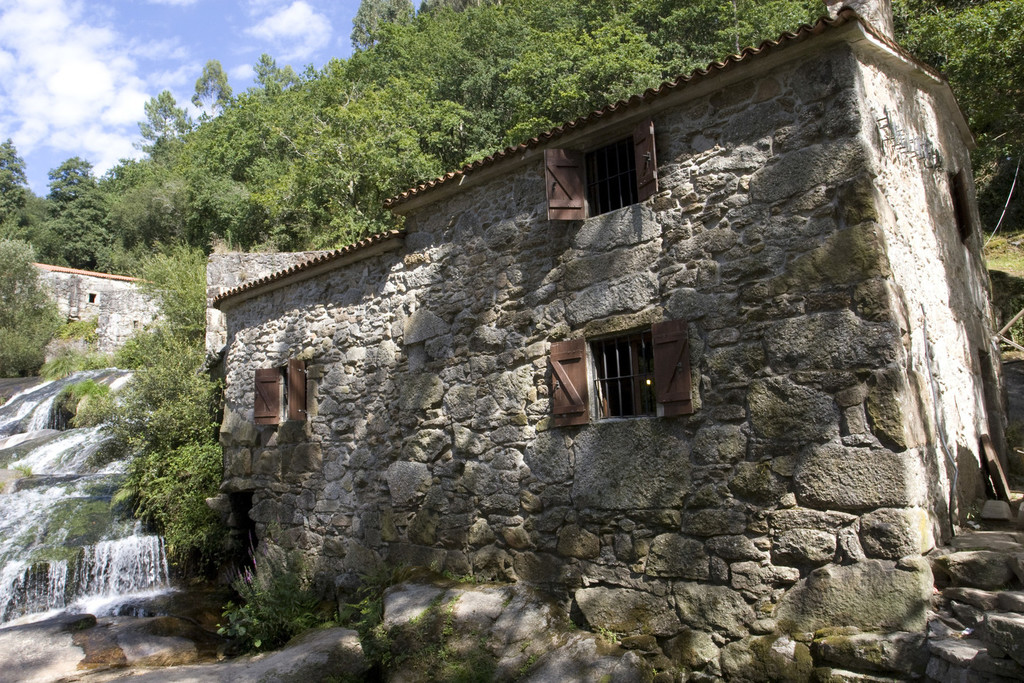
From the landscape and ethnographic points of view, outstanding is the so-called “Ruta dos Muíños e da Auga” (The Water and Water Mill Route), along the banks of the River Armenteira, another of the big attractions of this small council area in the interior of the region of O Salnés. The rehabilitated mills of O Rego de Sanmartiño enrich the views in this beautiful area.
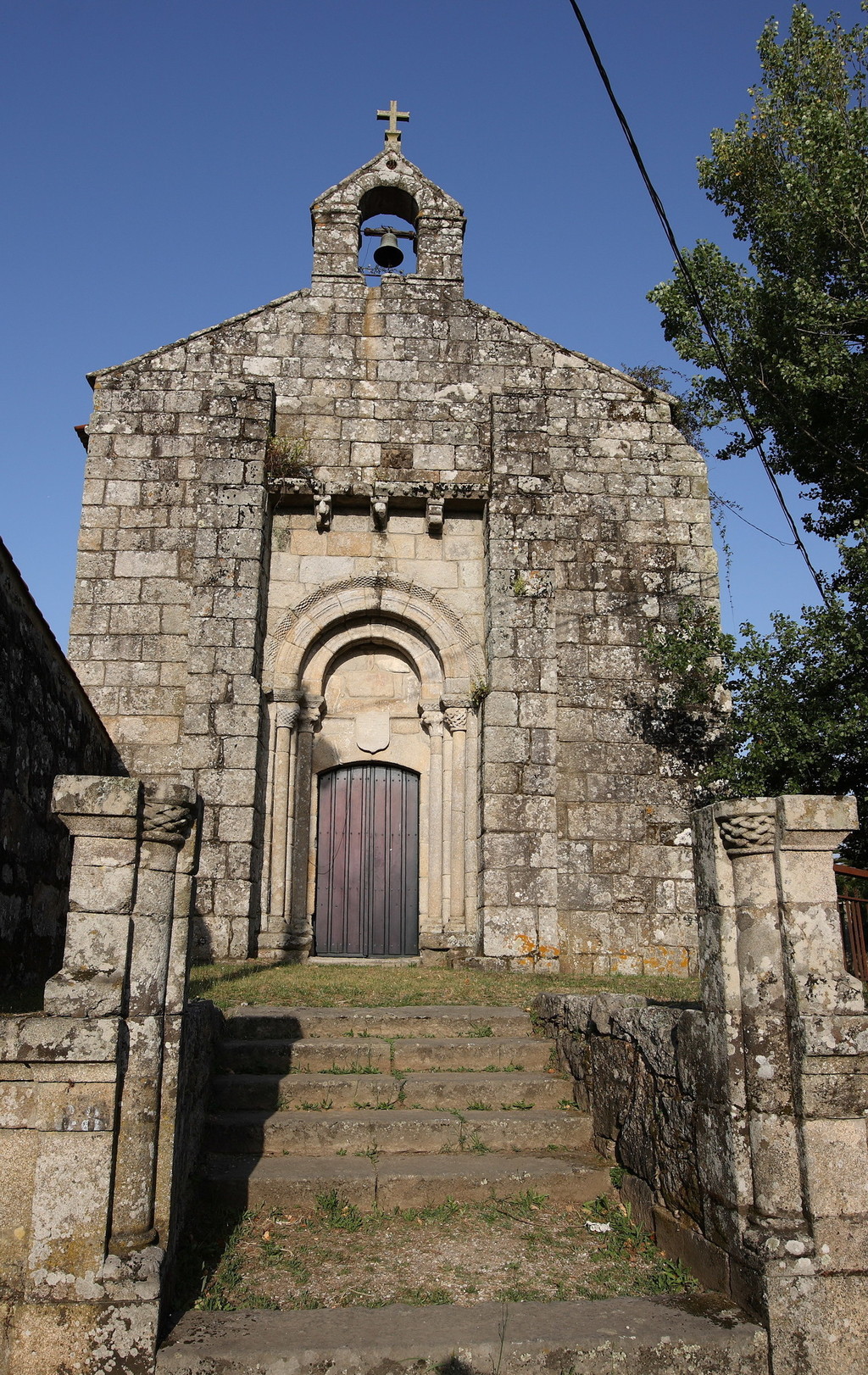
Meis regales us with its pure Romanic style of several of its churches, together with important examples of Pazos (manor houses), the expression of the power of the rural nobility. On occasions and linked to these, rural tourism companies have flourished, which make it possible to fully enjoy the surroundings, a landscape characterised by wine growing with the Rías Baixas Denomination of Origin.
Cambados
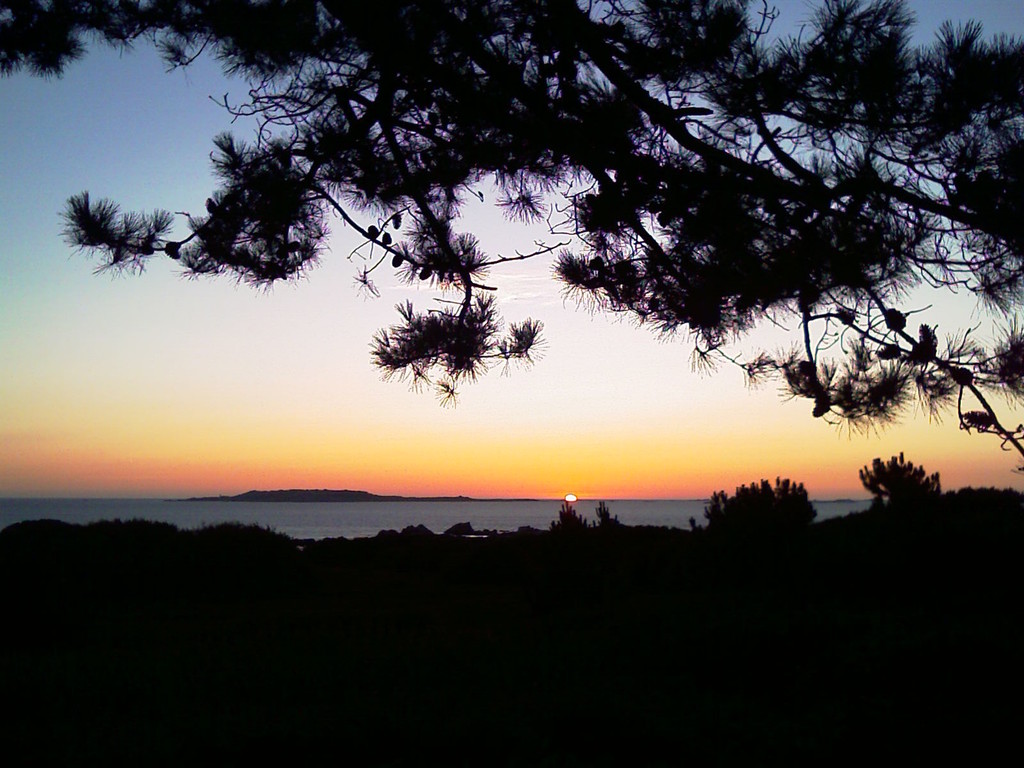
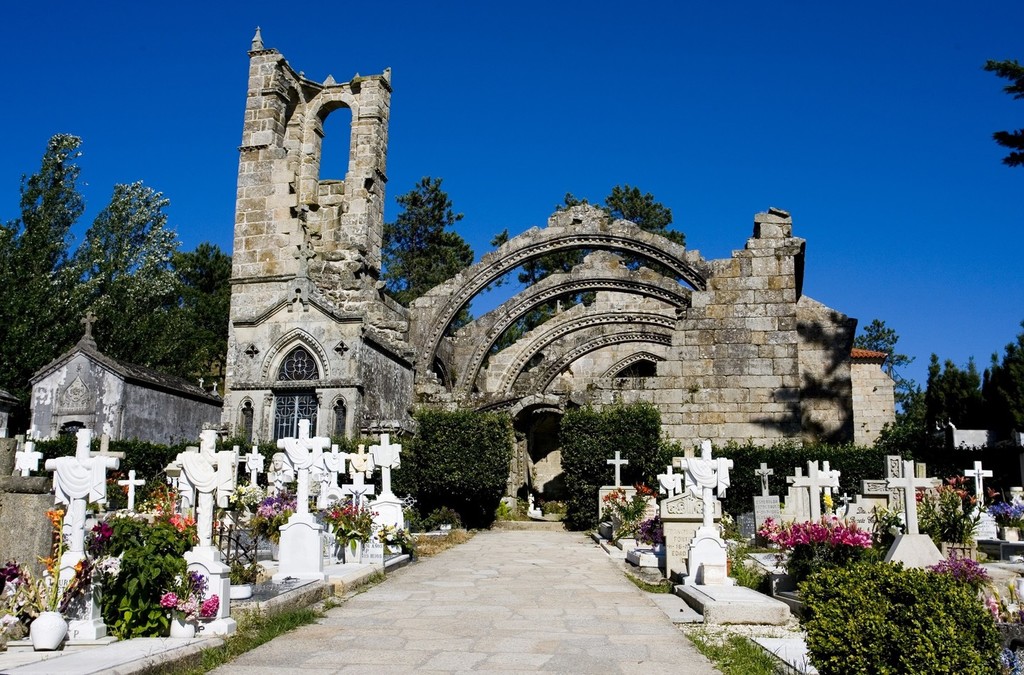
Cambados offers one of the best sunsets in all the Ría de Arousa and has a rich historical-artistic heritage. The municipality is made up of three historical towns: Fefiñáns – with the beautiful square with the same name -, Cambados – the administrative centre with the Pazo de Bazán, which is now the National Parador of Tourism - and San Tomé do Mar – the seafaring town par excellence.
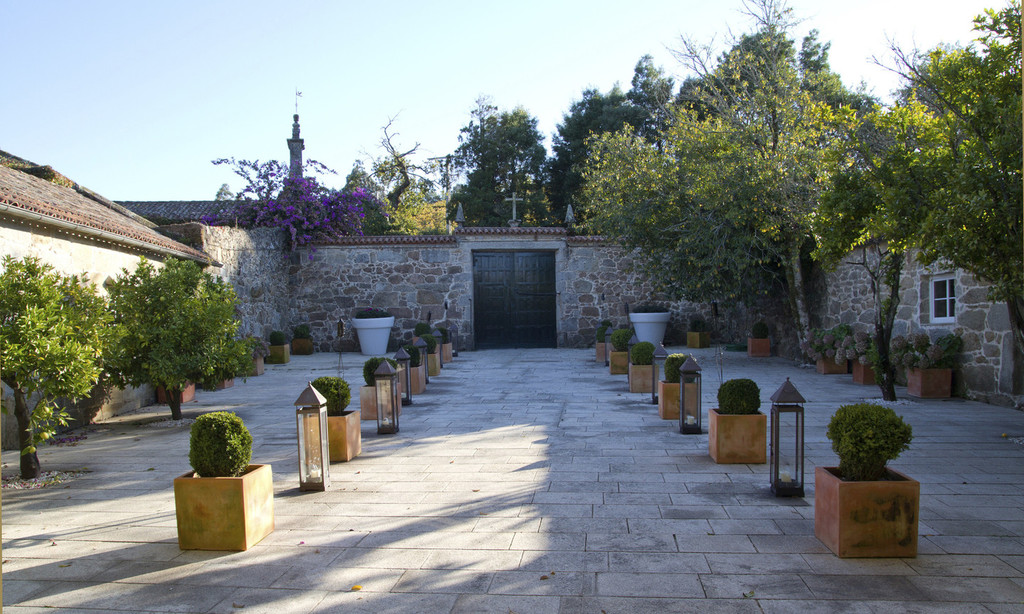
The Pazos (Manor Houses) mainly from the XVII and XVIII centuries, have also left admirable examples here such as the aforementioned Pazo de Bazán, the Pazo de Ulloa and the Pazo de Montesacro.
Cambados is also the hometown of many illustrious Galicians, such as the poet Ramón Cabanillas, who wrote the poetic lines “Galicia! Nai e Señora, sempre garimosa e forte!”, the sculptors Francisco Asorey and Francisco Leiro, and the politician and writer of the XIX century Pedro Pablo Bazán de Mendoza. Moreover, writers such as Emilia Pardo Bazán, Valle-Inclán and the theoretician of Rexionalismo (Regionalism) Alfredo Brañas lived here.
Ribadumia
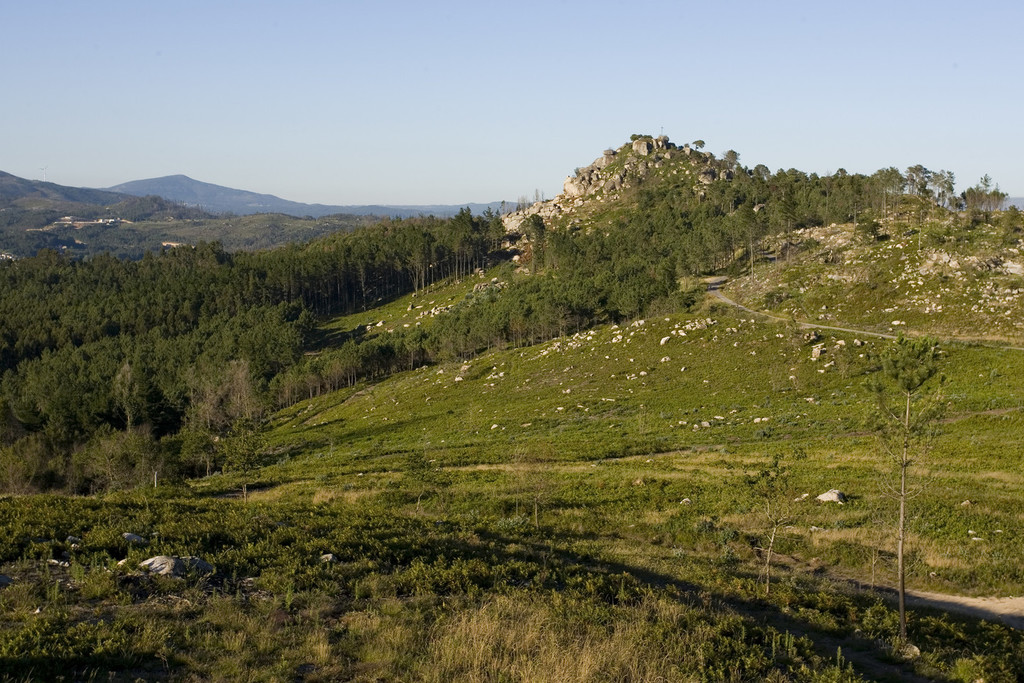
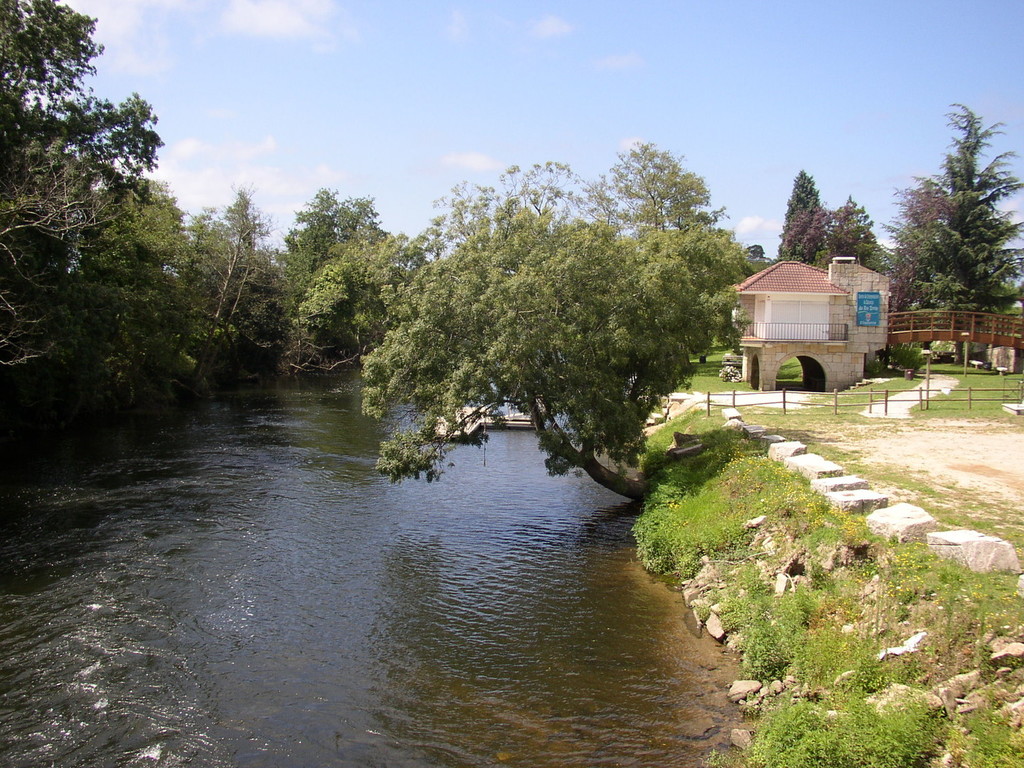
Surrounded by the municipalities of Cambados, Meaño, Meis and Vilanova de Arousa, the municipality de Ribadumia is situated in the heart of the rich valley of O Salnés. The River Umia irrigates and defines it. In areas of the course of this river and some of its tributaries — such as the River Armenteira — attractive walking routes have been prepared and today these area among the big attractions of these lands.
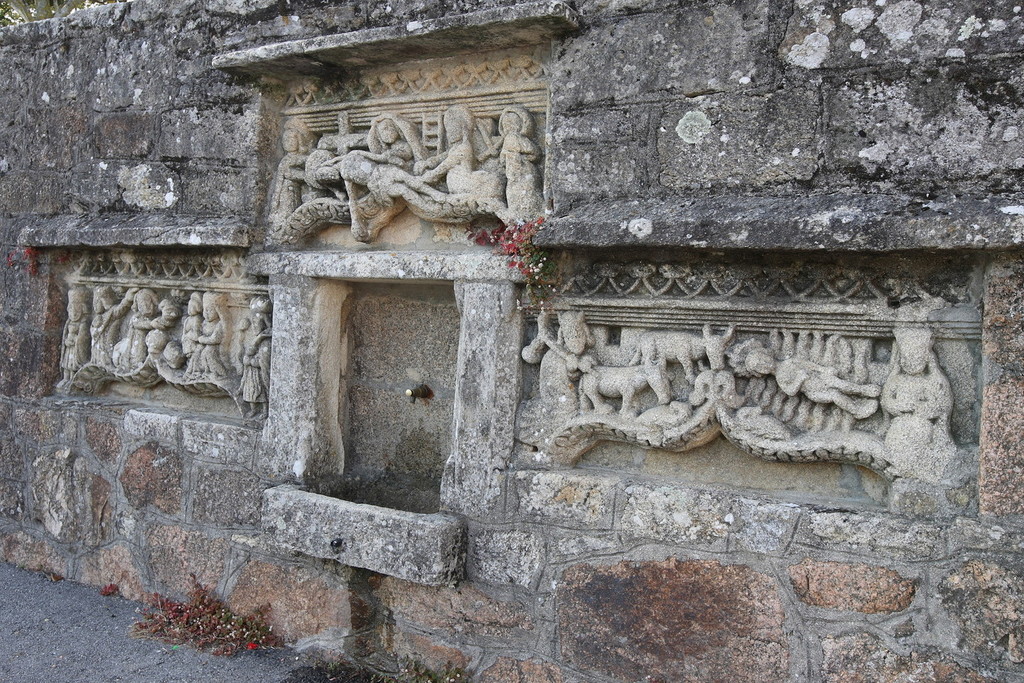
Another hallmark of Ribadumia is its ethnographic heritage: apart from the traditional mills located beside the river, such as those of Rudiño, Porto, Batán, O Casal and Xesteira, many of them rehabilitated, the natural presence of water has created exceptional springs and washing places. There are alos the Pazos (Manor Houses) such as that of Barrantes, Quinteiro da Cruz, Pedreira and the Pazo do Monte.
Wine growing, common to all the region of O Salnés with its white varieties albariño and caíño, is enriched here with an intense local wine known as Tinto de Barrantes. At the beginning of June, the Festa do Viño Tinto do Salnés, the one known as “Barrantes”, the exclusive wine of this area, is held.

Vilagarcía de Arousa
Vilagarcía, the “Pearl of Arousa”, was founded in the middle of the XV century in a small cove dominated by mounts of Xiabre and Lobeira. On the latter, there was a medieval fortress which played an important role in the era of the Archbishop of Santiago, Diego Gelmírez, as it was used on several occasions by Queen Urraca. Today, Vilagarcía has a population of about 35,000 inhabitants, and is a dynamic, touristic, neuralgic centre of the region of O Salnés.
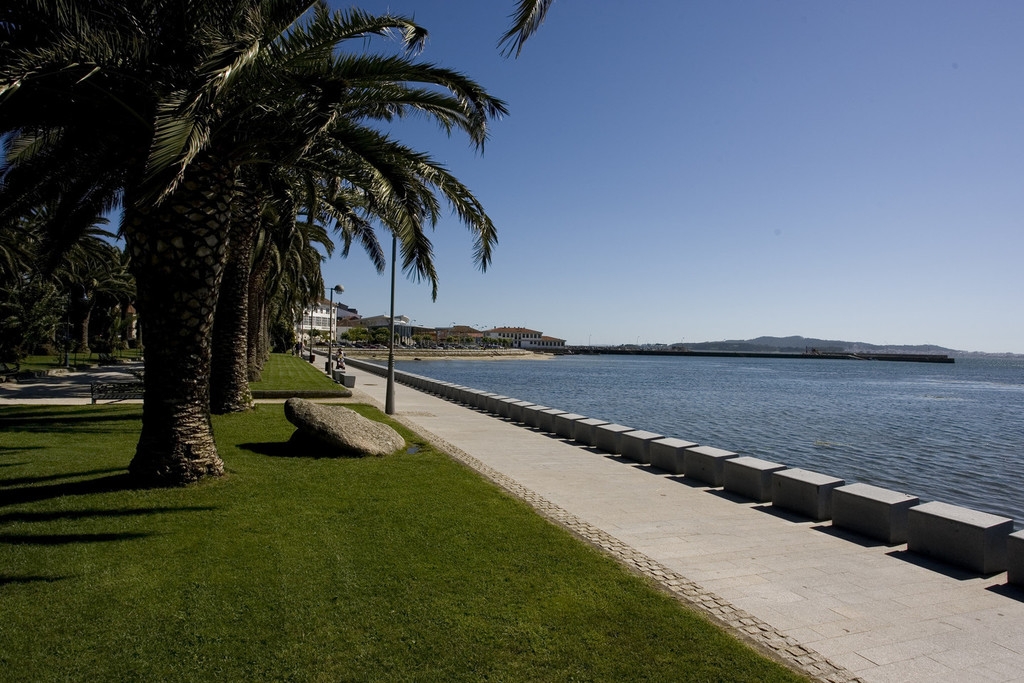
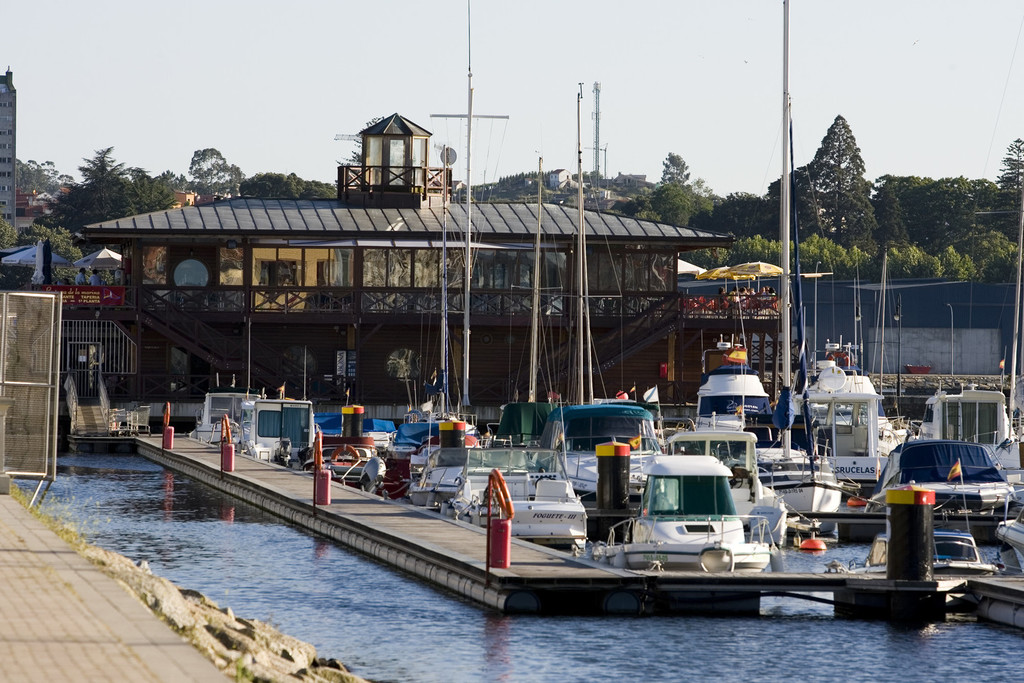
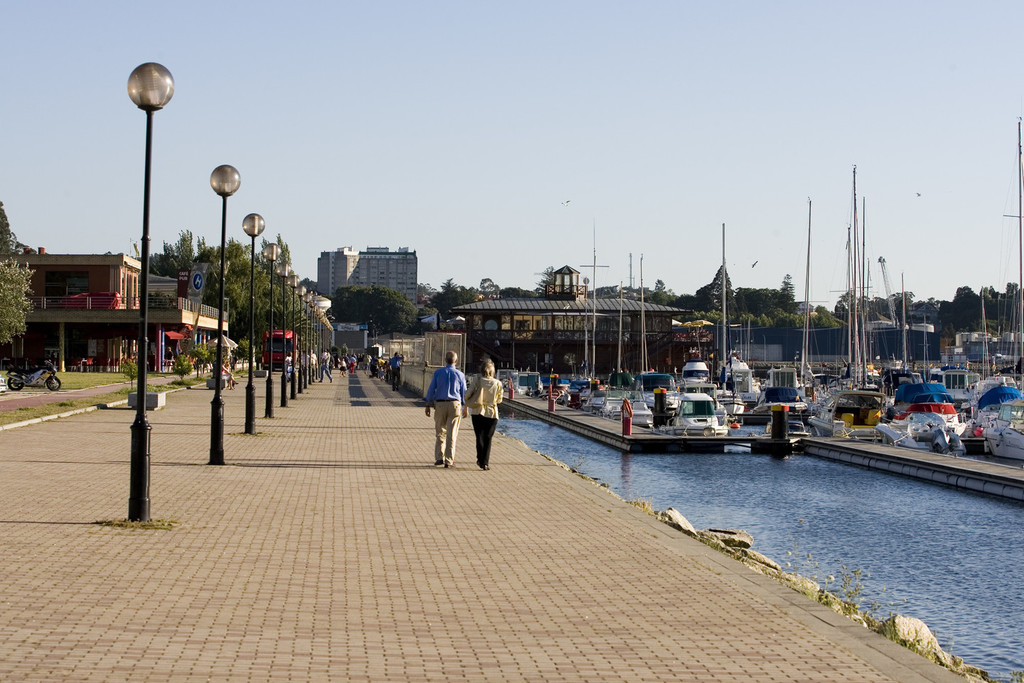
From its lively harbour area there runs a promenade which is more than two kilometres long and joins the centre with the town of Carril, parallel to the beaches of A Concha and Compostela. O Carril is famous for the quality and preparation of its most famous shellfish: clams. Opposite this seafaring town, at scarcely 200 metres from the coast, lies the isle of Cortegada.
Illa de Arousa
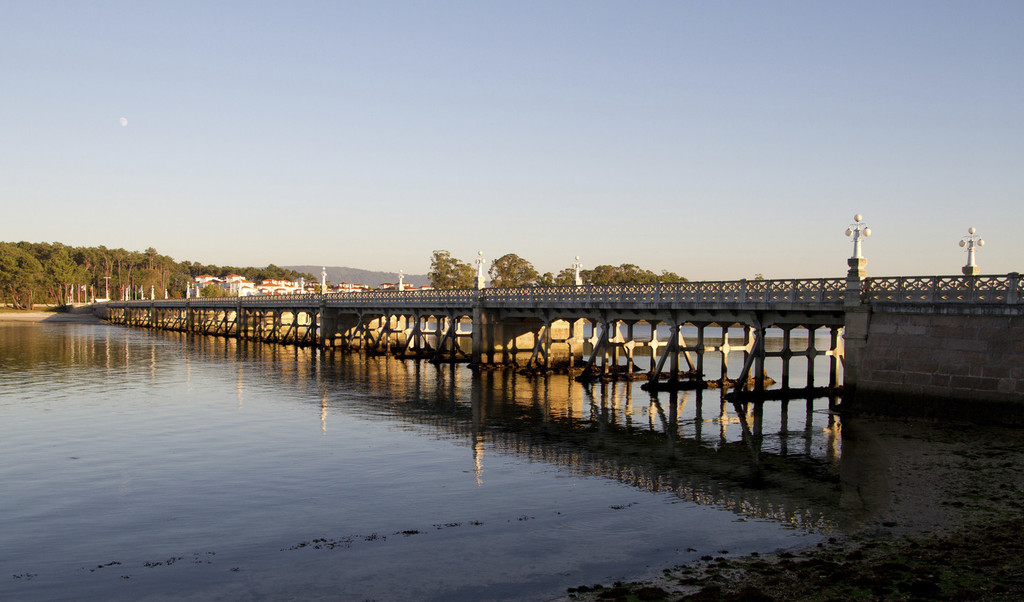
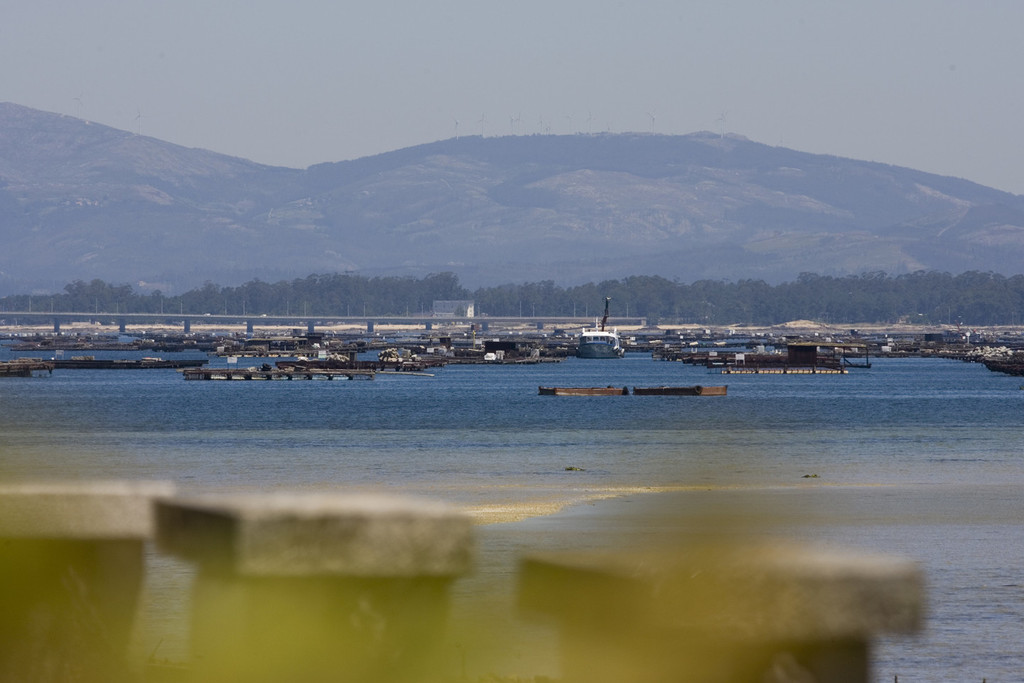
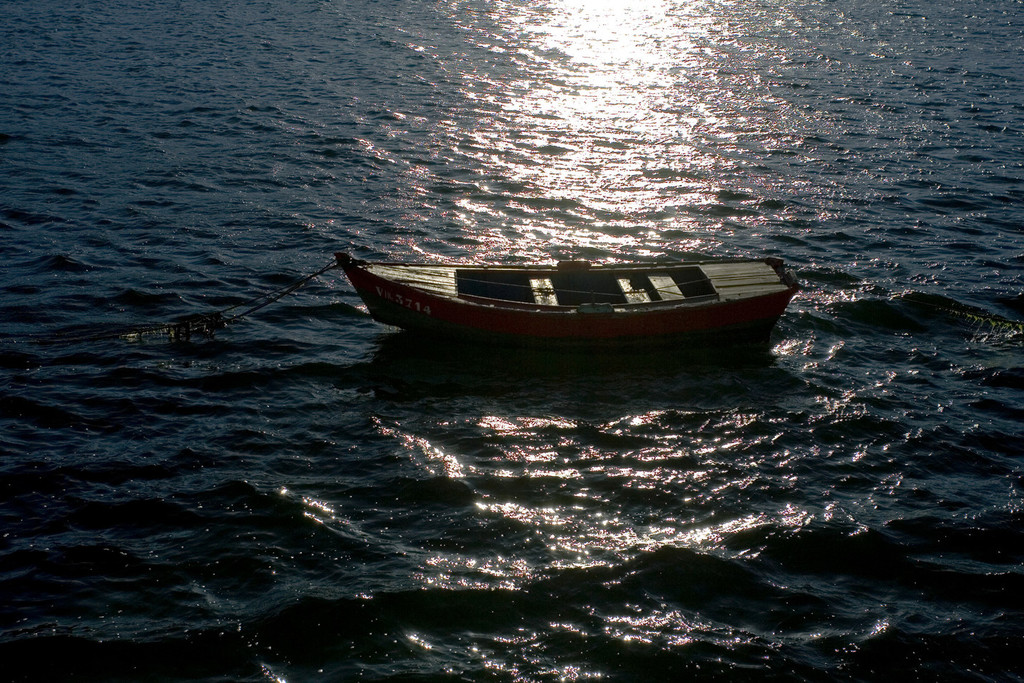
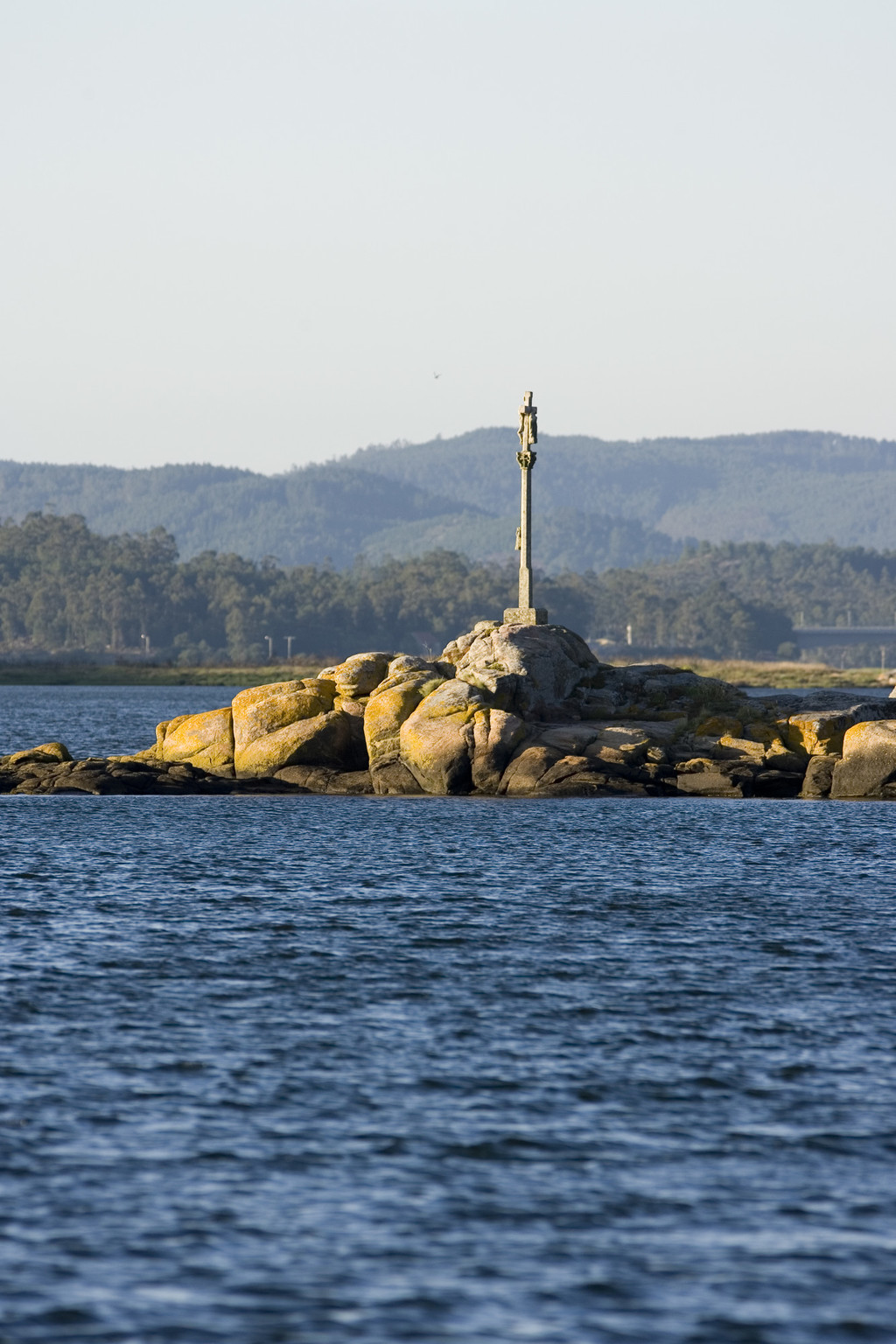
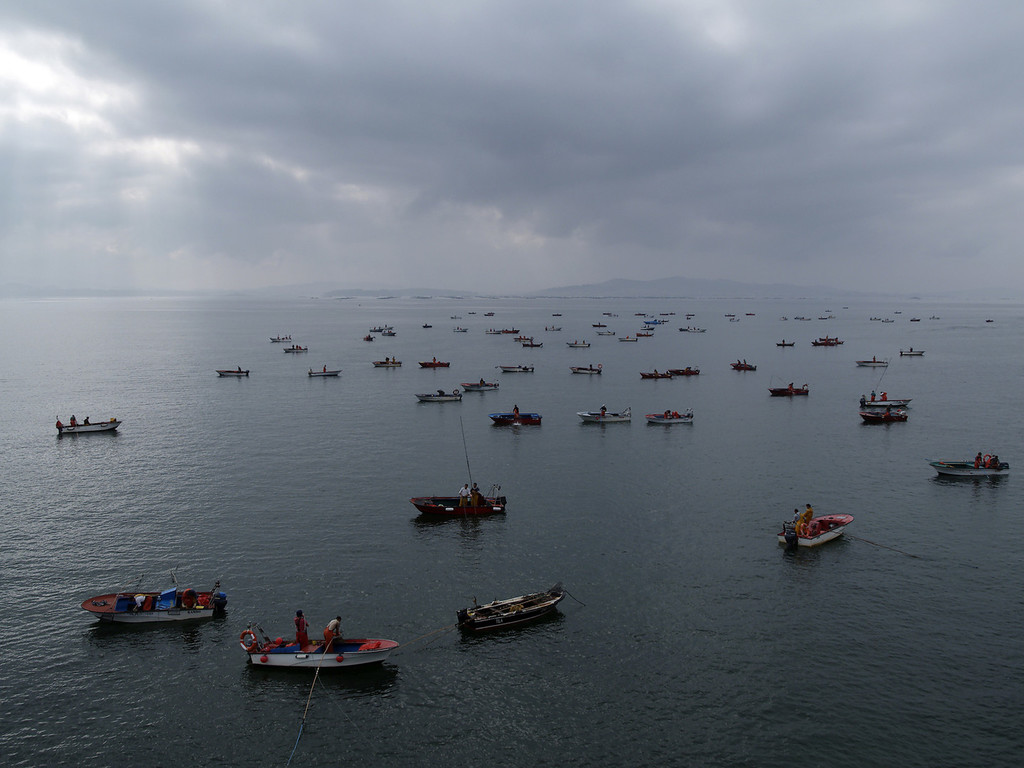
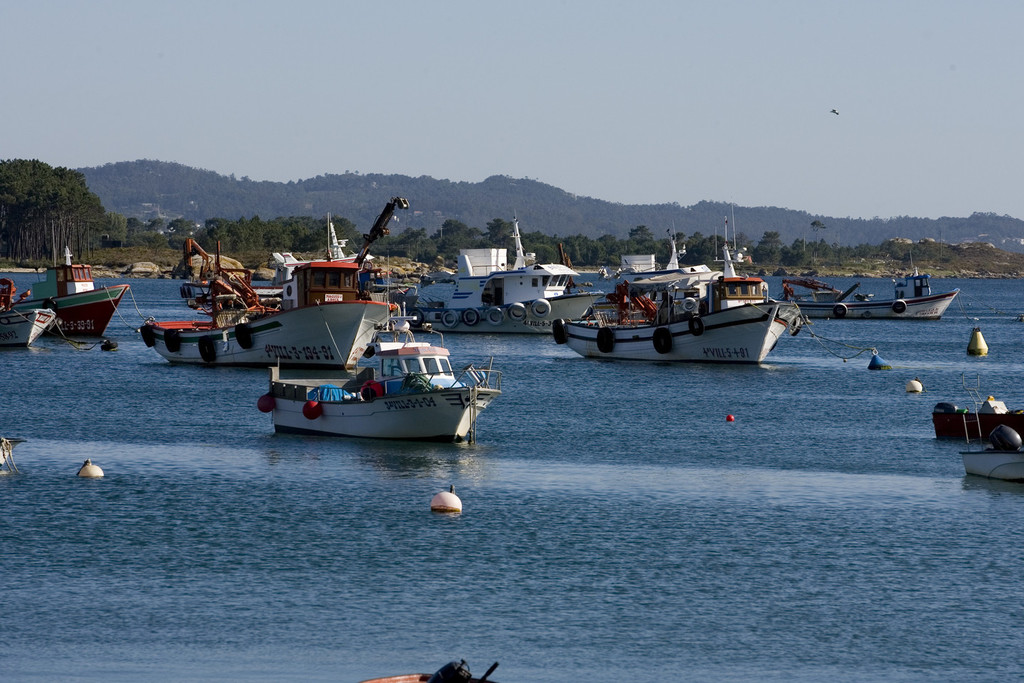
7 km long by 2.5 km wide and with 36 km of coastline, located in the middle of the sea of Arousa, is the largest of the islands of the Ría. Its coastline is rocky and low, with small coves and sheltered beaches, perfect for swimming, especially at high tide. Its coastline is rocky and low lying, with small coves and protected beaches. It is joined to the mainland by a long bridge measuring almost two kilometres, inaugurated in 1985. Until then, the island was reached by boats which left from the harbour of Vilanova de Arousa. This long isolation made it possible to conserve a unique nature habitat there.
This is the case of the Nature Park of Carreirón, in the southernmost point, a peninsula joined to the isle by the mound of As Salinas. It is catalogued as an area of special protection for birds due to the populations of herons, among others. The dune vegetation and the pinewoods meet and create a really valuable landscape.
The isle of Arousa also boasts the preparation of one of the best pulpos á feira (Fair style Octopus) in Galicia. Its inhabitants have been catching this cephalopod for centuries. The Festa do Mexillón (Fiesta of the mussel) is held on the first Sunday in August and the Festa do Polbo (Fiesta of the Octopus), on the first Sunday of September.

Vilanova de Arousa
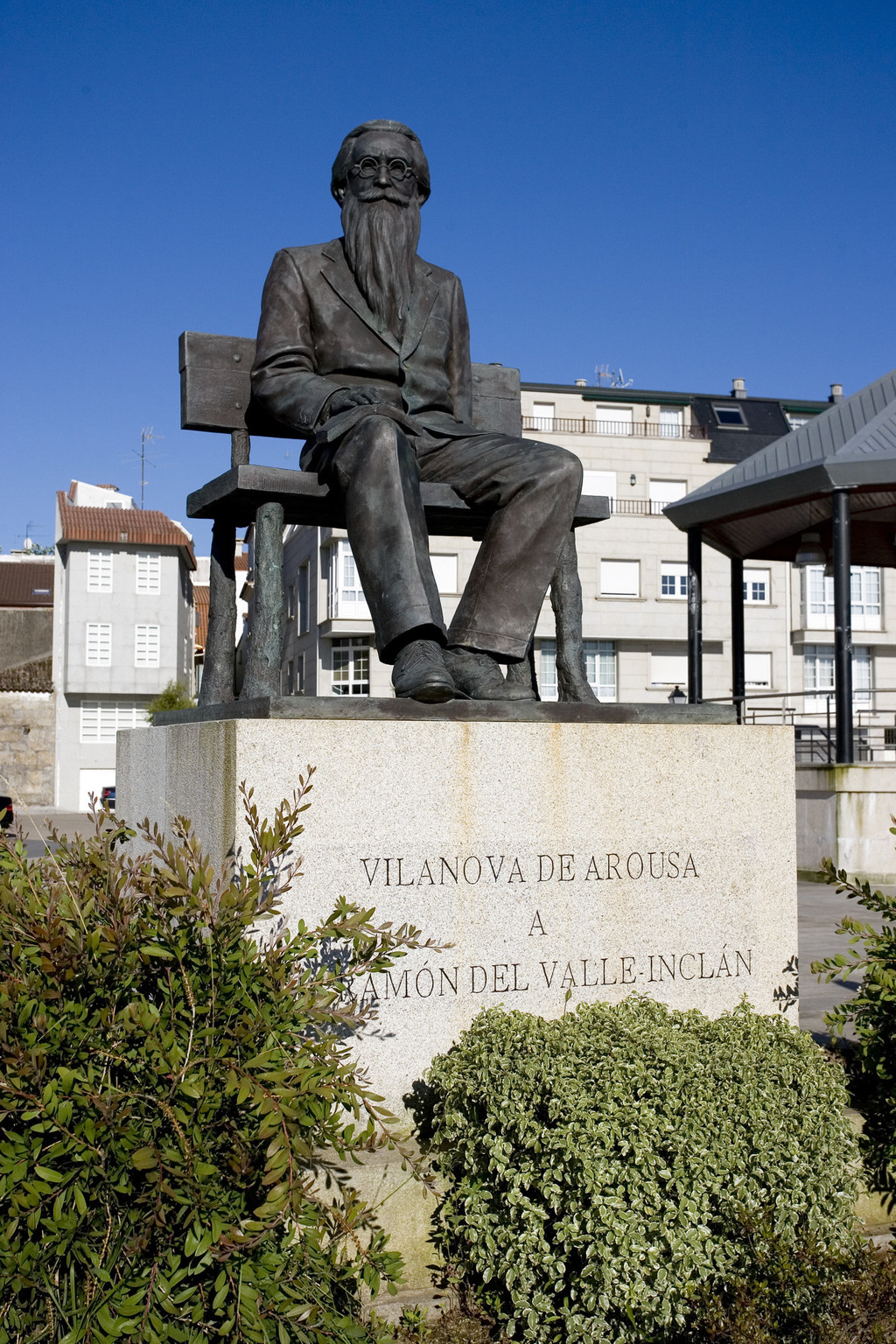
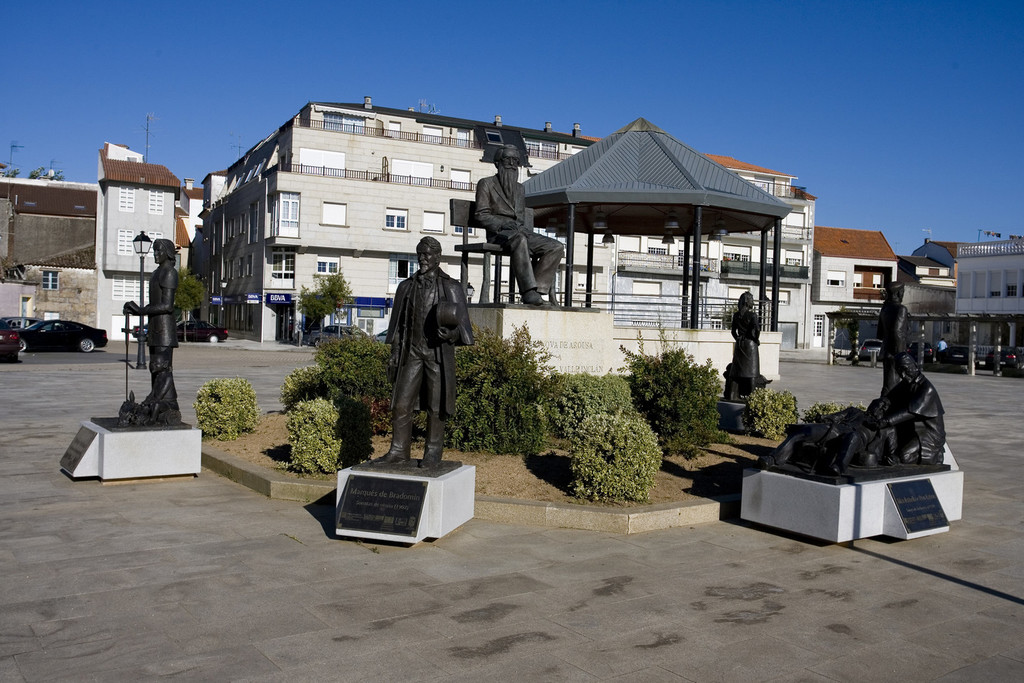
Vilanova is the birthplace of the writer Ramón María del Valle-Inclán. He was born here in the Casa do Cuadrante — today a House-Museum — on October 28, 1866. This was the inspired place where the renowned dramatist said that he had heard “the stories of saints, suffering souls, “elves and thieves” which were told to him by “a very old spinster called Micaela la Galana”.
Vilanova is also the birthplace of the brothers Julio and Francisco Camba, writers and journalists. The itineraries of the literature and lives of Valle-Inclán and the Camba brothers have been marked out and enable us to discover the origin of their literary universes.
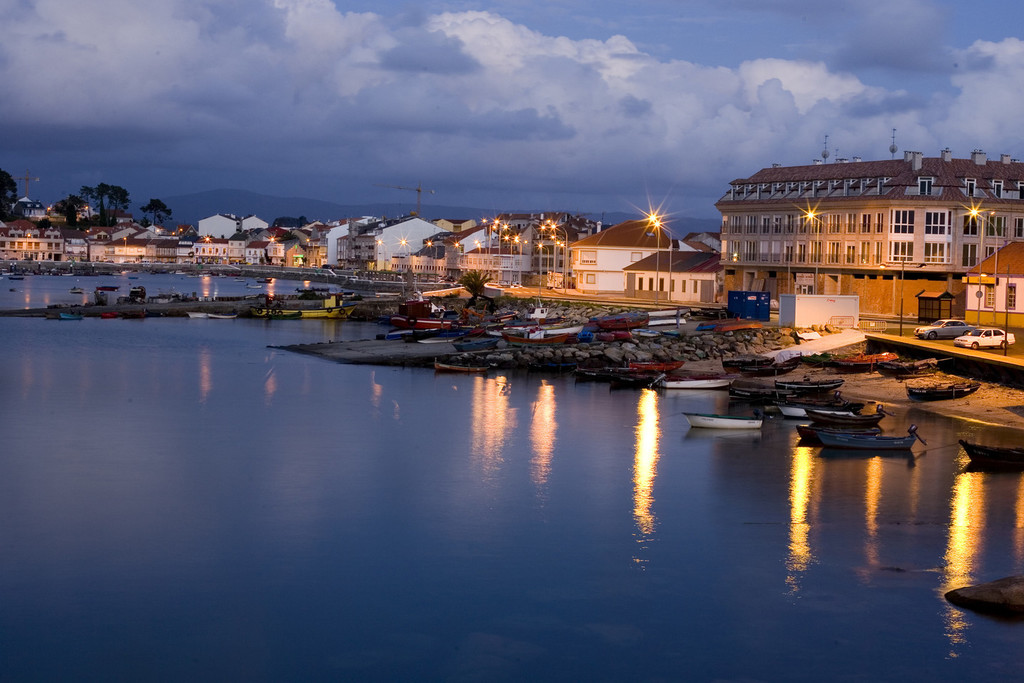
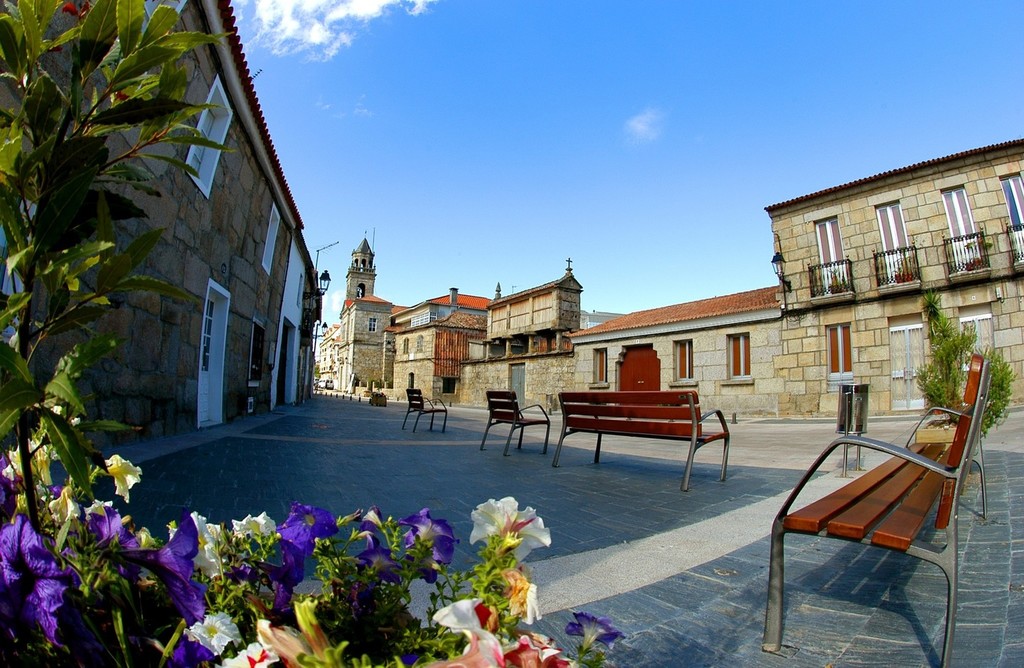
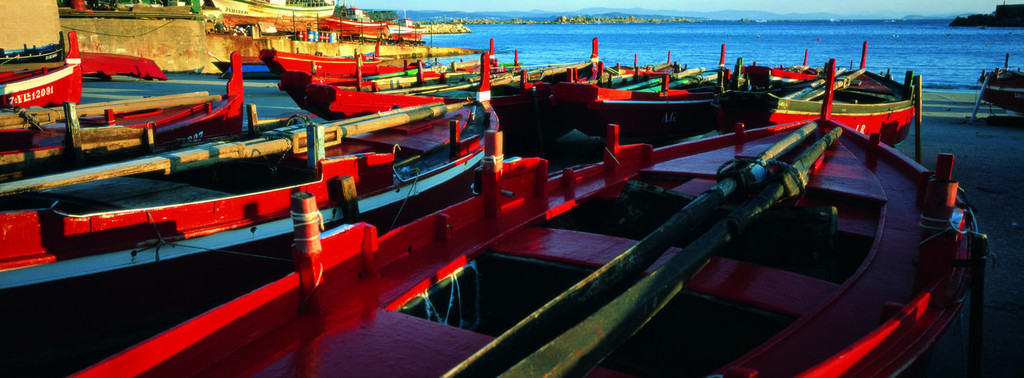
The municipality extends along the coastline of the Ría, the sea inlet known as the “Sea of Arousa”. It has an extensive 20 km coastline enriched by extremely charming beaches, with fine sand and rocks shaped over time by time, winds and the sea. Two of the most well-known are As Sinas and O Terrón, both very busy in the summertime. The summer is also the time when the most popular fiestas and pilgrimages, such as the Fiesta of the Mussel and the Cockles take place, during the first fortnight in August.
Catoira
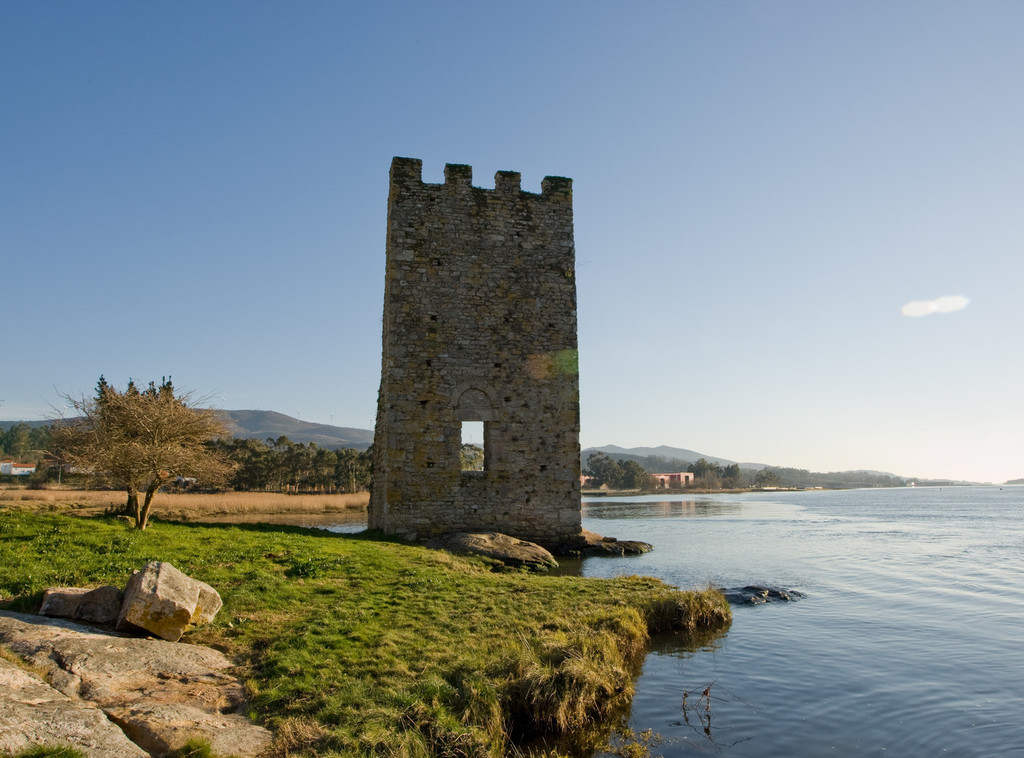
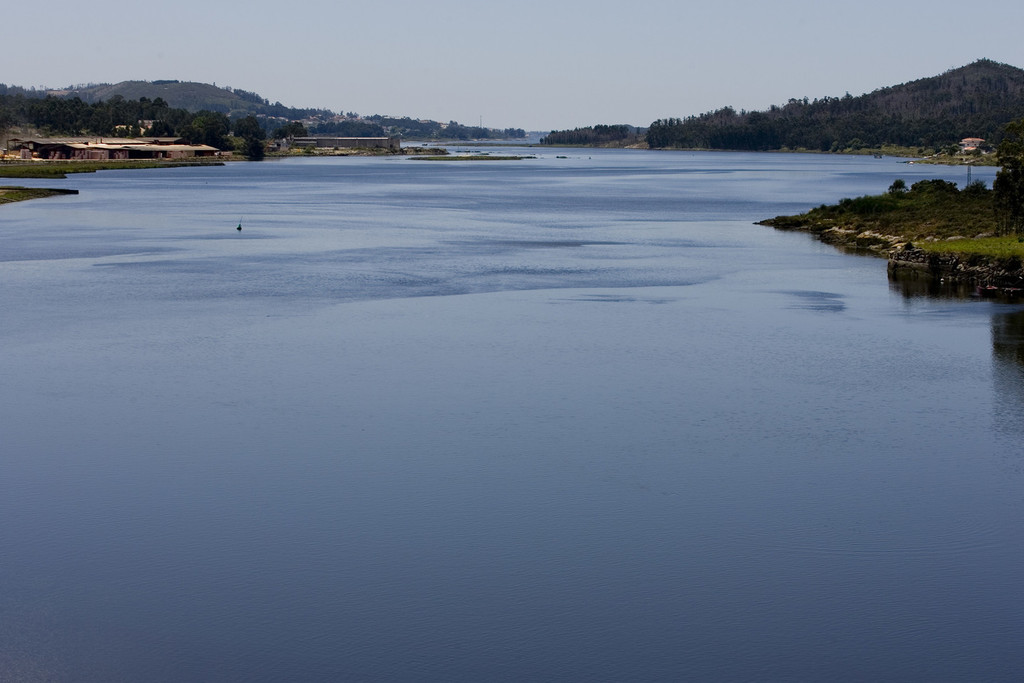
The ría de Arousa gradually remains behind and we enter the final stretch of the River Ulla. The borders between the course of the river and the sea are difficult to identify precisely. Upriver we arrive at the lands of Catoira, which were defended with fervour in medieval times by the renowned Torres de Oeste, the grand monument of this municipality.
Its origin goes back to a small fortified town (I-II centuries B.C.) transformed into a commercial harbour during the Roman epoch (I-II A.D.). The first fortress was built at the end of the IX century or the beginning of the X century, in the time of Alfonso III El Magno, in order to defend Iria Flavia and Santiago. Remains of this epoch are the two towers which still stand.
The Torres de Oeste were important in the epoch of the Archbishop of Santiago, Diego Gelmírez, as it was the place where he took refuge. These fortifications were considered to be the “key and seal of Galicia”. In the area were located the shipyards and the small battle fleet — the first in Christian Spain — which Gelmírez armed against the Almorávide pirates.
Valga
Valga is composed of five parishes and has a little over 6,000 inhabitants. It is situated on the left bank of the lower reaches of the River Ulla and the first vestiges of human occupation in this municipality go back to the Bronze Age (1800-600 B.C.), the epoch which the petroglyphs of Camporredondo belongs to.
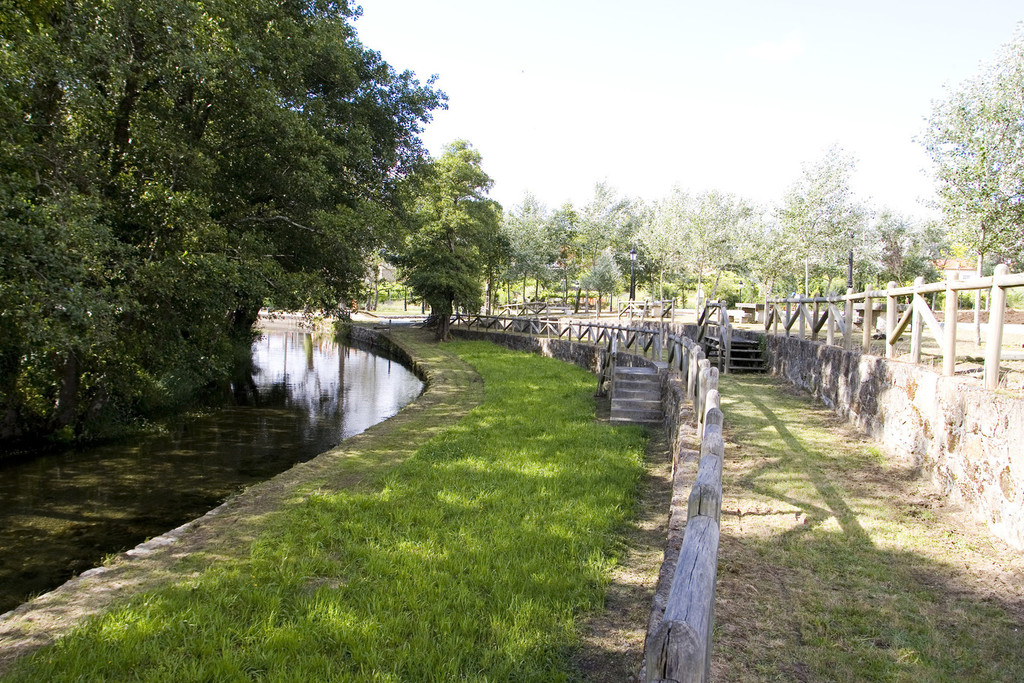
Today, all the territory regales us with outstanding examples of popular architecture — Calvaries, shrines, manor houses —, the Romanic Churches such as that of Xanza and landscapes of great beauty such as those from the splendid natural viewpoints of Chao do Monte, Camporredondo and Xesteiras.
Carolina Otero, La bella Otero, was born in Valga in 1868. She was one of the most famous dancers of the Parisian Belle Époque. In the urban centre of the Council area, a leafy, welcoming park was givn her name. Xesús Ferro Couselo (1906-1975) — the researcher and essay writer to whom the Day of Galician Letters was dedicated in 1996 — was also born in Valga, as was Manuel Magariños Castaños, the founder of El diario español of Uruguay in 1906.
Pontecesures
The strategic situation of Pontecesures, near the Roman city of Iria Flavia, determined the construction of a long bridge in the I century, reconstructed in the XII century and much reformed in the modern epoch. However, the Infrastructure has stood for two thousand years. Apparently, the place name of Pontecesures may come from “censuris”, that is to say, where they registered for the Roman census.
The harbour of Pontecesures was historically very important. In the XII century, Gelmírez created a Jacobean shipyard in order to build warships to combat the pirates. Moreover, from the XV to the XVIII centuries, this harbour was the only one equipped to unload salt. In 1795, Carlos IVordered the construction of a large warehouse for salt, tobacco and sulphur, known as O Alfolí, a building which can be visited today.
The maritime-river route of the Mar de Arousa finishes in Pontecesures. From here, the pilgrim must continue the Camino by land to Padrón, Iria Flavia, Teo and Compostela, using the last stretch of the Portuguese Camino. The pilgrimage of San Lázaro (Passion Sunday) dates from the XIV century and is the oldest in Galicia. Between March and April, the gastronomic fiesta of the lamprey is held.