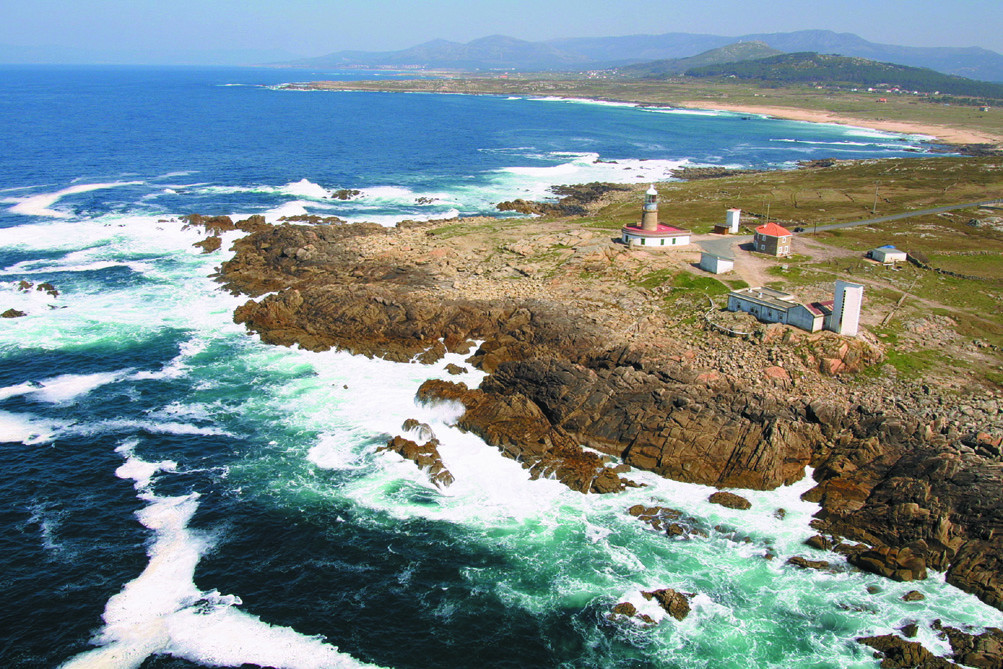
Lighthouse of Corrubedo
The Mar de Arousa and Río Ulla Route
Stage: Arousa North
Ribeira
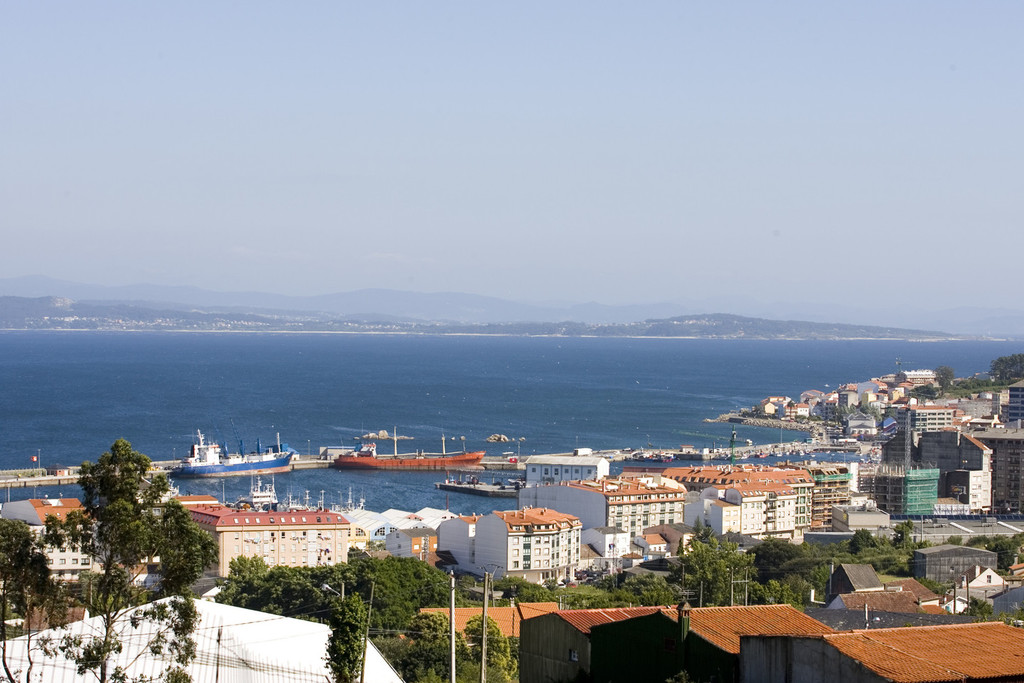
To the north of the Ría, lie Ribeira and its Isle of Sálvora, which are the gateways of the maritime-river route to Compostela. Besides its natural and monumental attractions, Ribeira has an important fishing harbour, the leader in inshore fishing in Spain. Products leave its fish market every day for Europe.
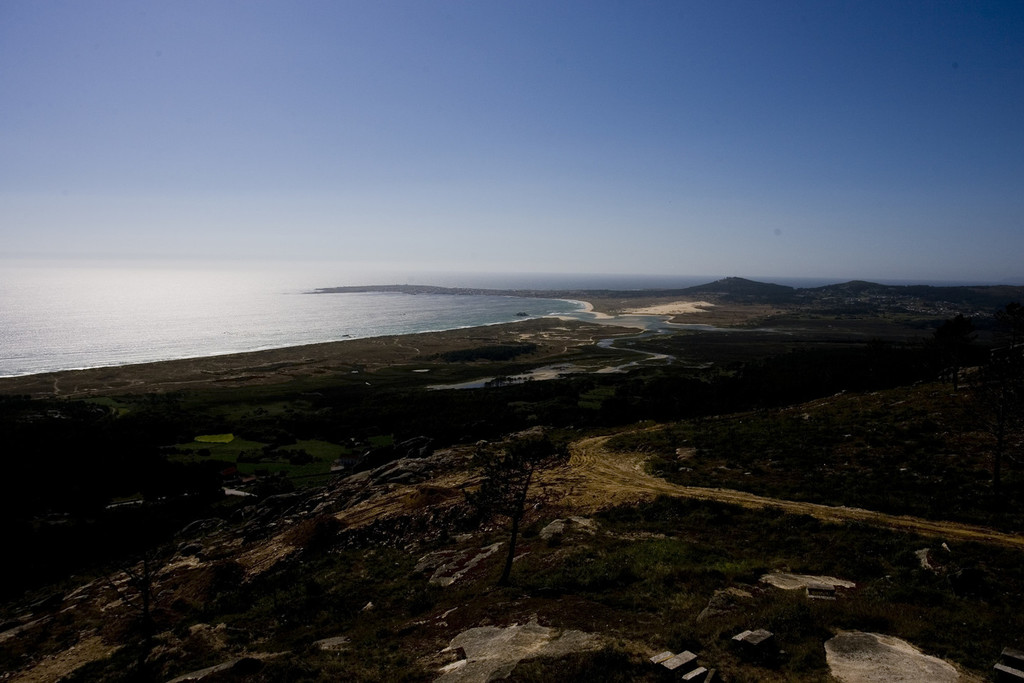
The coastline offers magnificent beaches such as those of Río Azor, Coroso, O Castro and A Furna. Natural spectacles such as the surroundings of Corrubedo and its dune complex. Viewpoints which provide us with panoramas of the grand Ría:San Roque, Pedra da Rá and Monte Facho, among others.
The prehistoric legacy also provides us with valuable testimonies in the form of megalithic monuments — presided over by the impressive Dolmen de Axeitos —, and fortifications such as that of A Cidá. In Aguiño, there are even the remains of a possible port of Phoenician origin.
Every summer, Ribeira celebrates the fiestas of its patron saint — on September 12 —, the Festa da Dorna — on July 24 — and the Festa do Percebe (cockle), in Aguiño. The restaurants there carefully prepare the excellent sea products with brilliant results.

A Pobra do Caramiñal
A Pobra do Caramiñal is one of the best conserved towns in the ría de Arousa. It has immense historical-artistic treasures seen in its interesting Churches and Pazos (Manor Houses). In its present day coat of arms can be seen its Jacobean hallmark: a boat sailing under two scallop shells.
The municipality is the result of the merger of two towns in the XIX century: A Pobra do Deán and the town of O Caramiñal. At that time, the local preserves industry, owned by Catalans, enjoyed its period of maximum splendour.
Among the outstanding Pazos are the Torre Bermúdez, which houses the Museo Valle-Inclán. There can be seen objects related to the life of the illustrious writer, who said that he had been born on a boat in the middle of the Ría de Arousa, between Vilanova and A Pobra.
A Pobra is today an attractive municipality with lively beaches in July and August, natural routes in the Serra de O Barbanza or literary routes, following the steps of the immortal dramatist and novelist Ramón María del Valle Inclán.



Boiro
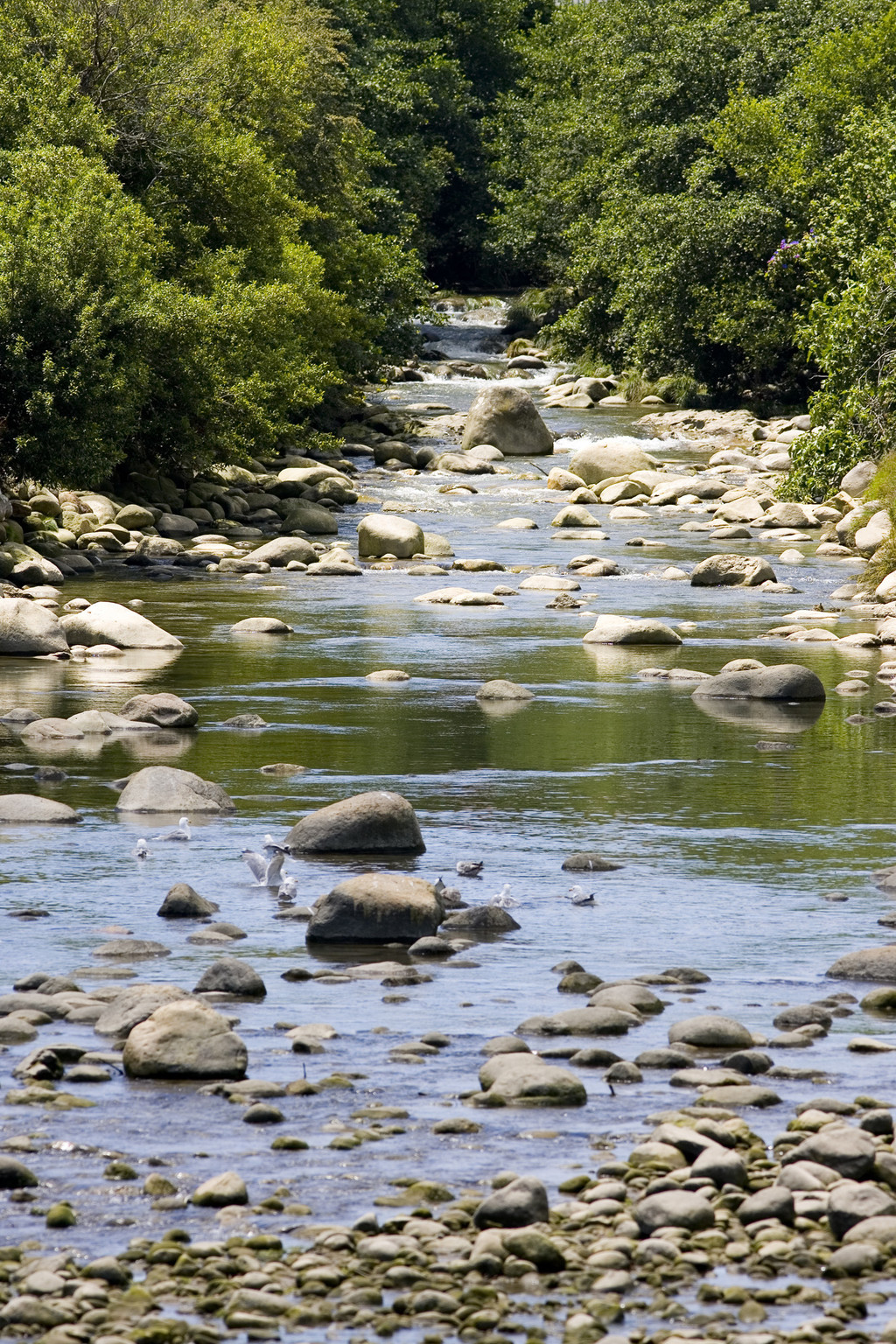
The place name “Boiro” may have its origin in “bruma” (mist) or “niebla” (fog), but also in “bo-ouro”, “good gold”, in allusion to that Gallaecia which was rich in this precious metal. Or it may derive from from the Swabian tribe of the Burios. In any case, today the municipality conserves important prehistoric sites — megaliths and petroglyphs — and pre-Roman archaeological sites such as the fortress of O Neixón, and a natural richness common to the Serra do Barbanza towards which Boiro extends from its over 60 60 km of coast.
It is precisely the Fortress of O Neixón, overlooking the sea over the cove of Rianxo, which enables us to travel 2,000 years in time and consider that the maritime traffic of Roman ships was normal for these inhabitants. One of these ships could well have been the “Barca de Pedra” (Stone Boat) which transported the remains of the Apostle. In the surrounding area of this fortress, on the Sunday previous to August 15, is held the popular Pilgrimage of Neixón.
Boiro attracts not only due to its sheltered beaches, but for its ancestral manor houses and the attractive nature routes.


Rianxo
The town of Rianxo has some of the deepest hallmarks of Galicia. On the one hand, it gave its name to one of the most popular and international songs of this land, A rianxeira, written in the forties in the last century by two emigrants in Buenos Aires. (It begins, “Ondiñas veñen, ondiñas veñen e van...”). On the other hand, in its Rúa de Abaixo were born three of the most outstanding Galician intellectuals and artists of the XX century: the author, dramatist, essay writer, politician and drawing artist Alfonso Daniel Rodríguez Castelao, the poet Manuel Antonio, and the author and editor Rafael Dieste.
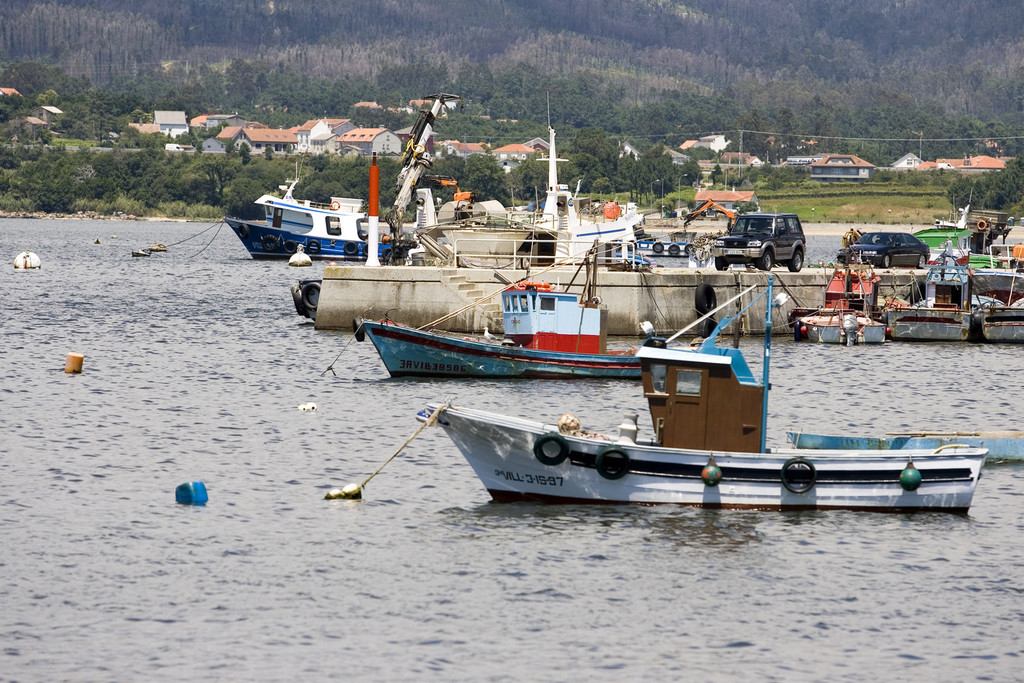
Rianxo combines countryside and sea. Along the coastline are placed the mussel rafts and in its harbour the fish market auctions the riches captured by the town fleet. Inland, the crops complete this double natural richness of the municipality.
The Virgen de Guadalupe is celebrated in one of the most important fiestas of Rianxo, held each September with its outstanding, devout and colourful maritime procession along the Ría.

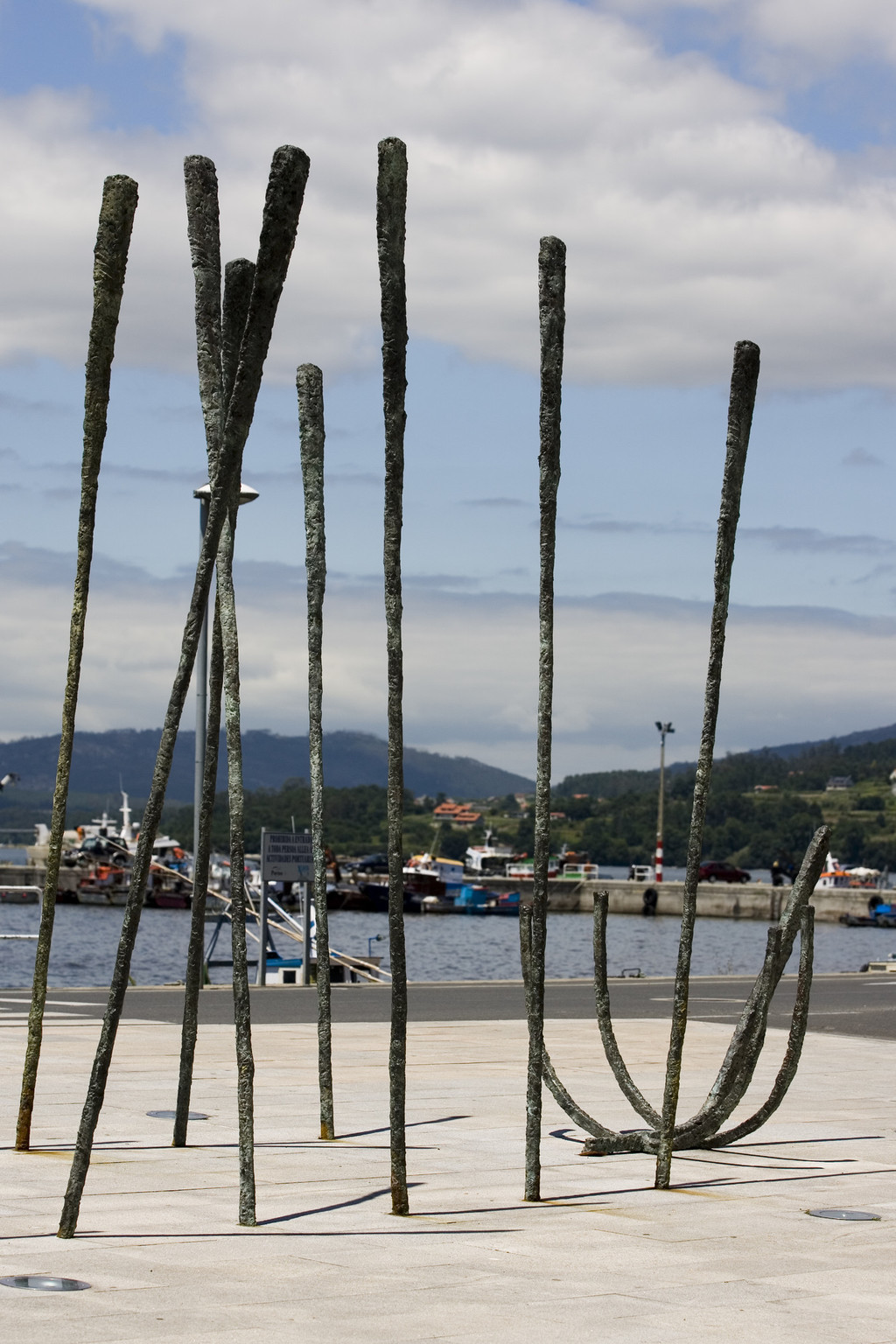
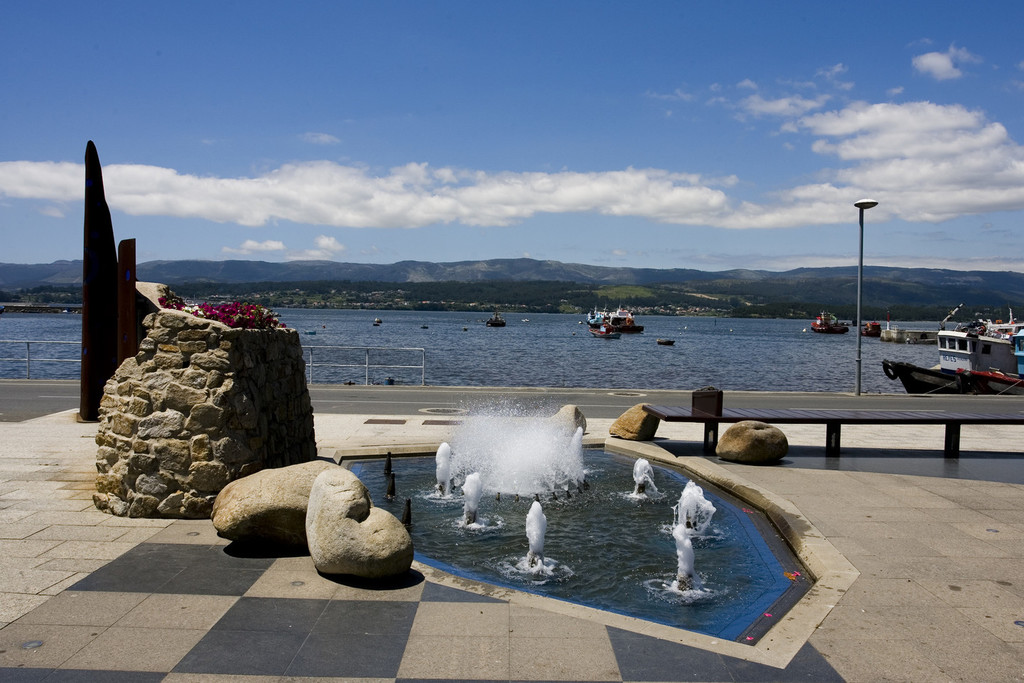
Dodro
Dodro is a small municipality situated in the estuary of the River Ulla (a natural marsh zone which it shares with Padrón and Rianxo). With little more than 3,000 inhabitants distributed in three parishes — Santa María de Dodro, San Xián de Laíño and San Xoán de Laíño—, Dodro’s Town Hall dates from 1836, the fruit of a break up with Padrón.
This land has a rich past of manor houses – the Pazos of Lestrove and Hermida are outstanding witnesses of this— and a literary and cultural history arising from its close connection with Rosalía de Castro and her husband Manuel Murguía, who lived here for several seasons. Moreover, there are beautiful examples of popular architecture in the shape of Calvaries – some with small chapels in their shafts —, pombais (dovecots), mills and fountains.
Rosalía de Castro immortalised the landscapes of Dodro in verse such as the following: “Como chove miudiño, / como miudiño chove; / como chove miudiño / pola banda de Laíño, / pola banda de Lestrove”.